Glamping Trip Cost Estimator
Estimated Add-ons
Trip Total
The truth is, glamping cost per night isn't a single number. It’s a spectrum. Whether you're looking for a simple safari tent or a high-tech mirrored cube in the forest, the price depends on the 'glam' factor. If you're planning a trip, you need to know what you're actually paying for so you don't overspend on a fancy tent that's basically just a fancy tent.
Quick Price Breakdown
- Budget Glamping: $75 - $150 per night (Basic amenities, shared bathrooms).
- Mid-Range Glamping: $160 - $300 per night (Private bath, electricity, cozy furnishings).
- Ultra-Luxury Glamping: $350 - $1,200+ per night (Private chefs, climate control, high-end architecture).
What Exactly Are You Paying For?
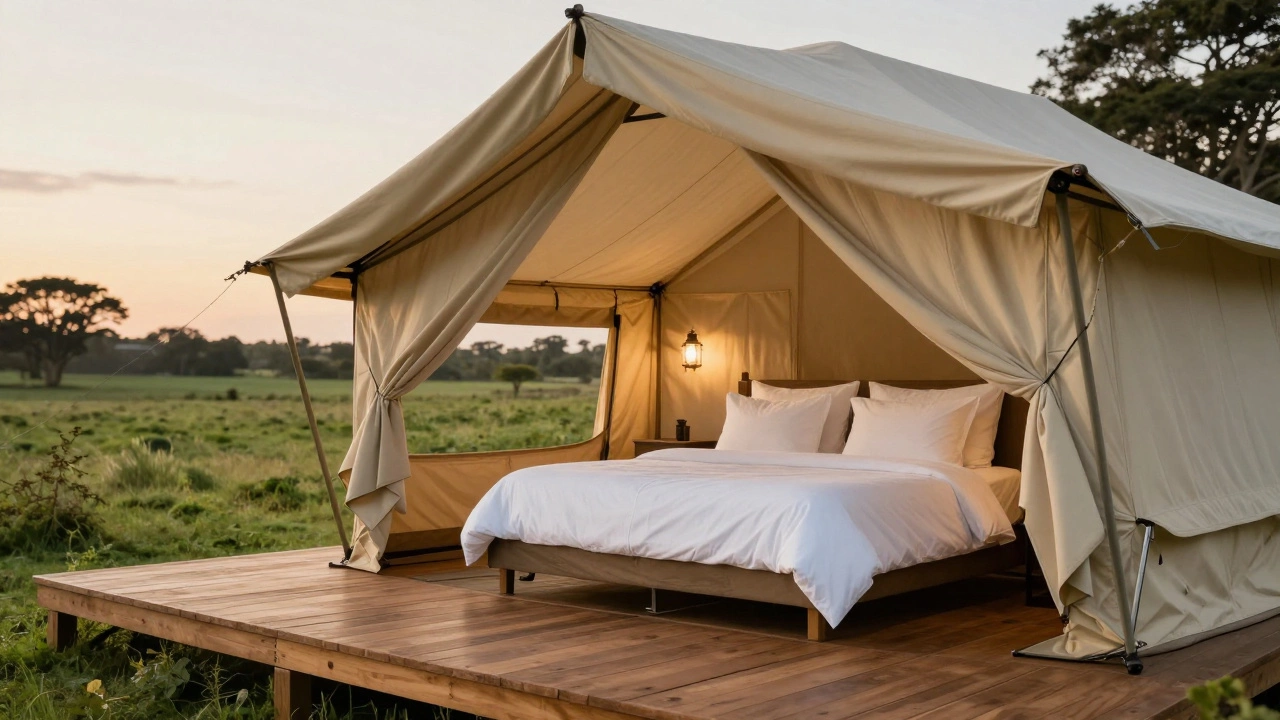
When you book a standard hotel, you pay for a room and a brand. With Glamping, which is a form of camping that combines the experience of the outdoors with a range of luxury facilities and amenities, you are paying for the architecture and the location. A Safari Tent, for example, isn't just a piece of fabric; it's often built on a permanent wooden platform with real hardwood floors and high-thread-count linens.
Then there's the infrastructure. Running electricity, plumbing, and heating into the middle of a remote forest or a desert is expensive. When you see a price of $400 a night for a dome, you're paying for the engineering that keeps the rain out and the heat in while you're surrounded by nature. The 'experience' is the product here, not just the bed.
Breaking Down Costs by Accommodation Type
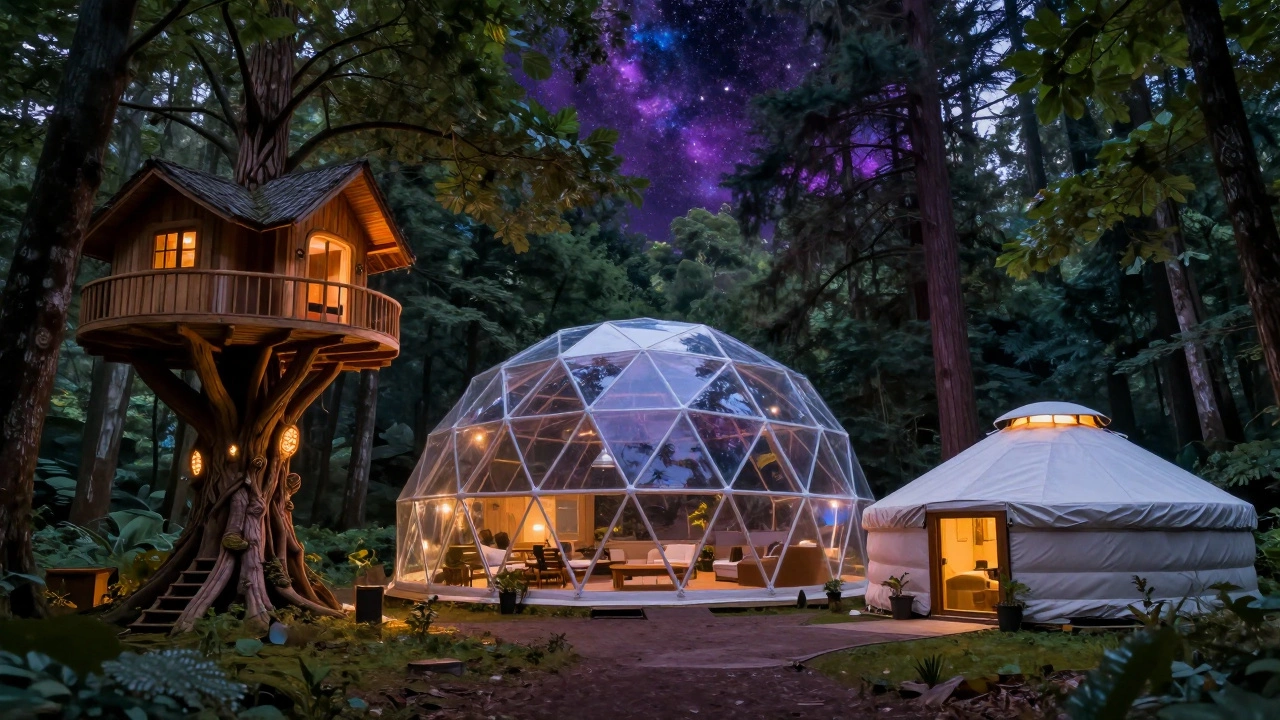
Not all glamping sites are created equal. Depending on the structure, your nightly rate will swing wildly. A Yurt, a circular, portable tent originating from Central Asia, is usually more affordable because it's easier to heat and maintain than a massive marquee.
On the other hand, something like a Treehouse often carries a premium. These are labor-intensive to build and maintain. If you're staying in a mirrored cottage or a geodesic dome with a transparent roof, you're paying for the 'wow' factor and the architectural novelty.
| Structure Type | Avg. Price Range | Key Features | Vibe |
|---|---|---|---|
| Safari Tent | $120 - $250 | Canvas walls, bed, platform | Rustic Luxury |
| Geodesic Dome | $200 - $450 | Panoramic views, modern interior | Futuristic |
| Luxury Treehouse | $300 - $800 | Elevated, unique architecture | Whimsical |
| A-Frame Cabin | $150 - $350 | Solid walls, cozy loft | Classic Cabin |
| Shepherds Hut | $100 - $220 | Compact, mobile, charming | Cozy & Intimate |
Hidden Costs That Can Bloat Your Bill
The nightly rate listed on the website is rarely the final price. If you've ever booked a trip and realized at checkout that the price jumped by $100, it's likely due to these common glamping add-ons. Many sites operate on a 'base' price and then charge for extras that hotels usually include for free.
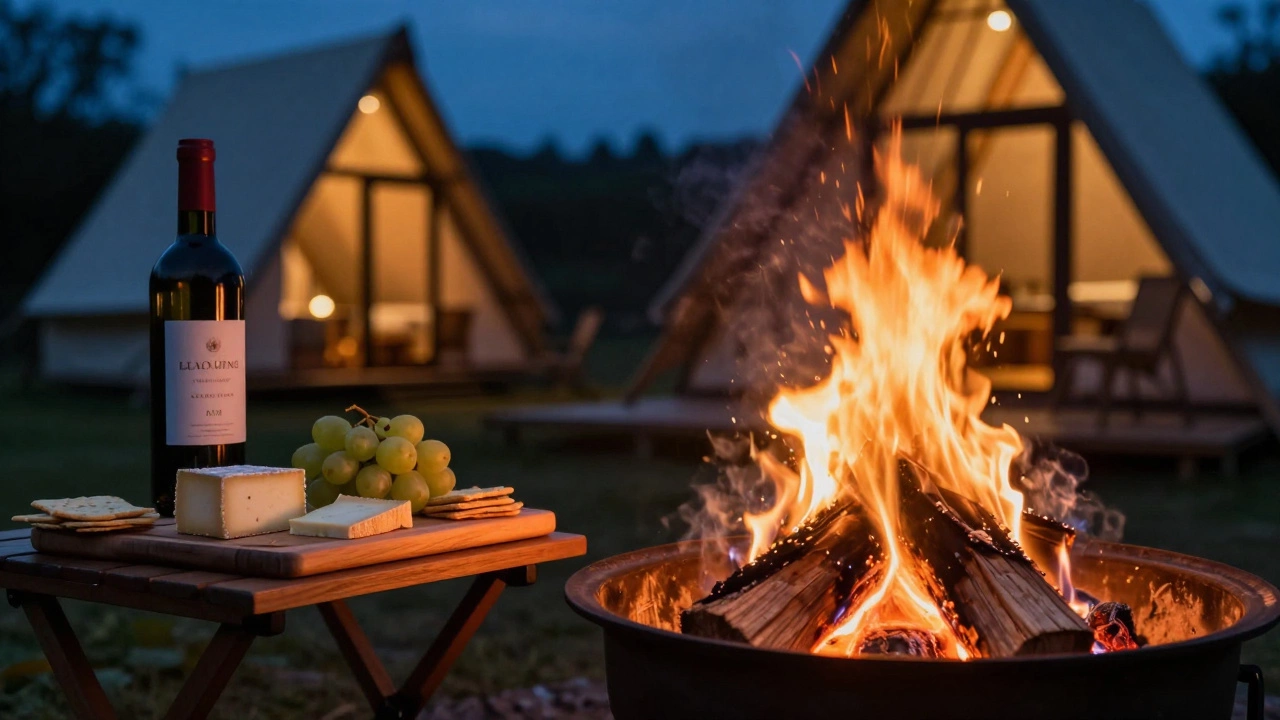
Firewood is a big one. Since most glamping sites center around a cozy fire pit, you might find yourself paying $20 to $40 per bundle of logs. Then there's the 'experience packages.' Want a bottle of local wine and a cheese board waiting for you? That'll be an extra $60. Want a guided nature hike or a yoga session? Add another $50 to $100 per person.
Don't forget about the cleaning fees. Because these sites are often in remote areas, getting a cleaning crew in can be a logistical nightmare. It's not uncommon to see a one-time 'deep clean' fee of $50 to $150 regardless of whether you stay one night or four.
When is the Best Time to Book for a Deal?
Timing is everything. If you try to book a luxury dome in the mountains during the peak of July, you're going to pay a premium. Most glamping sites follow a strict seasonal pricing model. In the 'shoulder seasons'-usually spring and autumn-prices can drop by 30% to 50%.
Mid-week stays are also significantly cheaper. Most people glamp from Friday to Sunday. If you can swing a Tuesday or Wednesday night, you'll often find 'weekday specials' that make a luxury experience feel like a budget one. Some hosts even offer multi-night discounts; staying three nights might actually be cheaper per night than staying for just one.
How to Choose the Right Level of 'Glam' for Your Budget
If you're on a budget but want the glamping feel, look for 'semi-glamping.' This usually means you have a high-quality tent and a real bed, but you might be using a shared bathhouse 50 feet away instead of having a shower in your room. This simple trade-off can save you $100 a night.
If you're splurging for a honeymoon or anniversary, look for 'all-inclusive' glamping. While the nightly rate looks terrifying (think $600+), it often includes breakfast, dinner, and activities. When you add up what you'd spend on meals and excursions separately, the all-inclusive option sometimes ends up being more economical than the mid-range option with a la carte pricing.
Comparison: Glamping vs. Traditional Hotels
Why pay $300 for a tent when you can get a Marriott for $200? Because you're not paying for the room; you're paying for the Eco-Tourism experience. A hotel is a controlled environment. Glamping is about the intersection of luxury and nature.
In a hotel, you have a gym and a concierge. In a luxury glamping site, you have a private deck, a starry sky, and the sound of a river. For many, the mental reset that comes with being immersed in nature is worth the extra $100. However, if you value a 24-hour room service menu over a campfire, stick to the hotel.
Is glamping more expensive than a hotel?
It depends. Budget glamping is often cheaper than a mid-range hotel. However, ultra-luxury glamping-especially those with unique architecture like mirrored houses or high-end treehouses-can be significantly more expensive than a 5-star hotel because of the scarcity of the locations and the cost of building in remote areas.
Do I need to bring my own gear to a glamping site?
Generally, no. The whole point of glamping is that the gear is provided. You'll find a bed, linens, and usually towels. However, you should always bring weather-appropriate clothing and sturdy shoes. Check your booking details to see if things like toiletries or coffee are provided, as some 'rustic' glamping sites leave those for you to bring.
What is the cheapest type of glamping?
Safari tents and bell tents are typically the most affordable options. Because they are easier to set up and maintain than permanent structures like cabins or domes, hosts can offer them at a lower nightly rate, often ranging from $75 to $150.
Are there any discounts for longer stays?
Yes, many glamping operators offer a 'stay longer, save more' policy. Booking 3 or more nights can often trigger a 10-20% discount on the total price. It's always worth asking the host or checking the 'special offers' tab on booking platforms.
Does the price include electricity and heating?
In most mid-to-high-range glamping sites, electricity and basic heating (like a wood stove or small electric heater) are included in the price. However, some very rustic sites may have limited power or charge a small fee for extra heating during winter months. Always verify the "amenities" list before booking.
Next Steps for Your Trip
If you're ready to book, start by deciding your 'non-negotiables.' Do you need a private bathroom, or are you okay with a walk to the shower? This decision alone will narrow your price range by hundreds of dollars. Once you have your budget, look for sites that offer 'all-in' pricing to avoid those pesky cleaning and firewood fees.
For those on a strict budget, consider 'DIY glamping'-renting a high-quality bell tent and pitching it at a regular campsite. It gives you the aesthetic of glamping for a fraction of the nightly cost. If you're looking for the ultimate splurge, target the shoulder seasons (May or September) to get those $600-a-night domes for closer to $300.