Natural Materials
When working with natural materials, raw, renewable resources such as timber, stone, clay, straw, and bamboo used in construction and interior design. Also known as organic building materials, they lower carbon footprints, improve indoor air quality, and often blend beautifully with the surrounding landscape. In the UK, a growing number of eco‑friendly cottages, holiday homes built with locally‑sourced wood, lime plaster, and reclaimed stone showcase how these resources can create cozy, healthy retreats.
Natural materials aren’t just a style choice; they’re a core component of sustainable housing, homes designed to reduce energy use, waste and environmental impact over their whole life cycle. Key attributes include durability, low embodied energy, and the ability to be recycled or decomposed at the end of use. For example, timber frames can be sourced from responsibly managed forests, offering a carbon‑sequestering building envelope, while earthen walls provide thermal mass that stabilizes indoor temperatures. When paired with green building, design approaches that prioritize energy efficiency, water conservation, and healthy materials, natural materials become the backbone of truly zero‑carbon homes.
Even luxury outdoor stays are jumping on the natural‑materials bandwagon. Glamping sites across the UK now feature cabins and tents constructed from reclaimed timber, hemp rope, and natural fibre fabrics. This glamping, a blend of glamour and camping that uses upscale amenities while preserving nature proves that comfort doesn’t have to mean synthetic products. Guests enjoy insulated straw‑bale walls, wooden decking, and stone fire pits—all of which provide authentic experiences without compromising sustainability. The rise of posh camping shows that natural materials can be both functional and luxurious, appealing to travelers who want a greener holiday.
To make sense of the many options, look at the common attributes and real‑world values of these resources. Durability varies: seasoned oak can last 80‑100 years, while reclaimed brick offers fire resistance and thermal inertia. Carbon impact is low for timber harvested with sustainable practices—each cubic meter stores roughly 1 tonne of CO₂. Local availability reduces transport emissions; UK stone from the Cotswolds or pine from the Scottish Highlands adds regional character. Insulation performance is another measurable value: straw‑bale walls can achieve an R‑value of up to 30, comparable to modern foam systems, while lime plaster regulates humidity naturally. These facts help homeowners and travelers pick the right material for their project or stay.
All of this ties back to the articles you’ll find below. Whether you’re planning a self‑catering cottage, hunting for glamping deals, or curious about the greenest building designs, the collection showcases practical tips, cost breakdowns, and real examples of natural materials in action. Dive into the posts for step‑by‑step guides, booking hacks, and sustainability checklists that turn theory into a memorable, eco‑friendly experience.
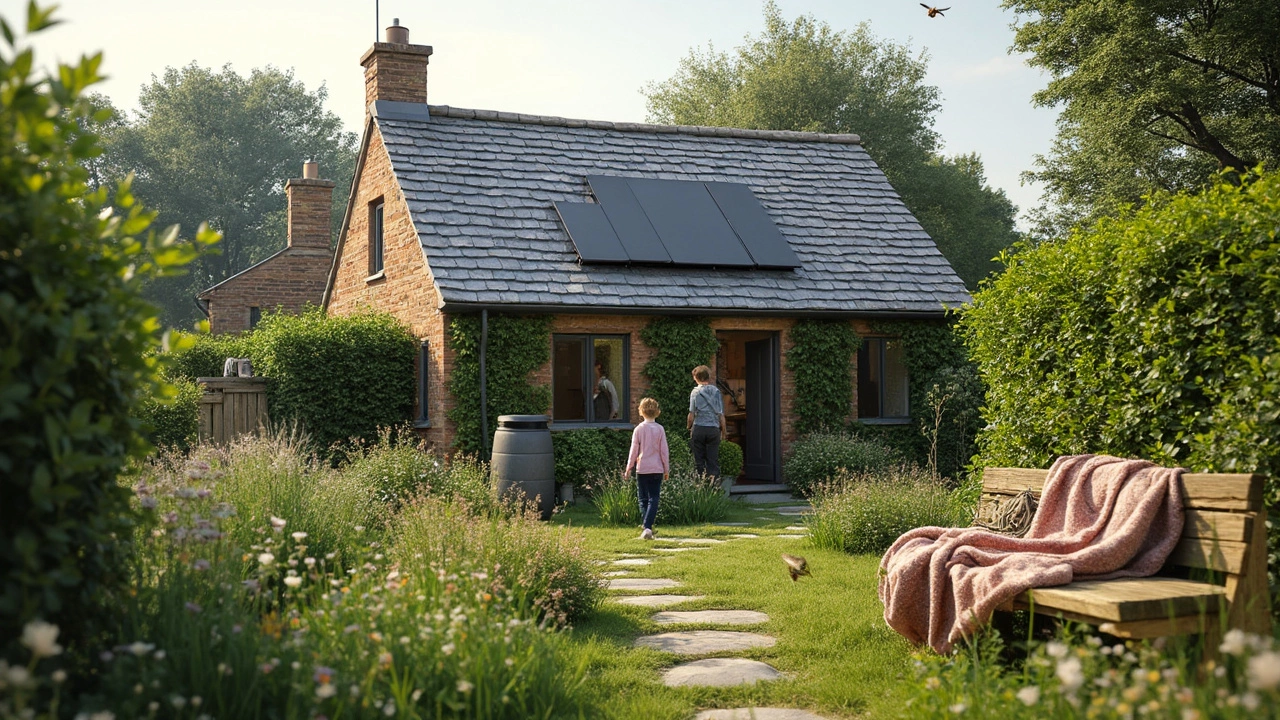
This article breaks down what truly makes a home eco-friendly, focusing on practical choices for building or upgrading a sustainable cottage. We'll look at energy efficiency, materials, and lifestyle tweaks that cut your footprint and bills. Expect real tips, not just buzzwords. Whether you’re dreaming big or working with what you’ve got, here’s how to spot or create the most sustainable little house around.
Read more
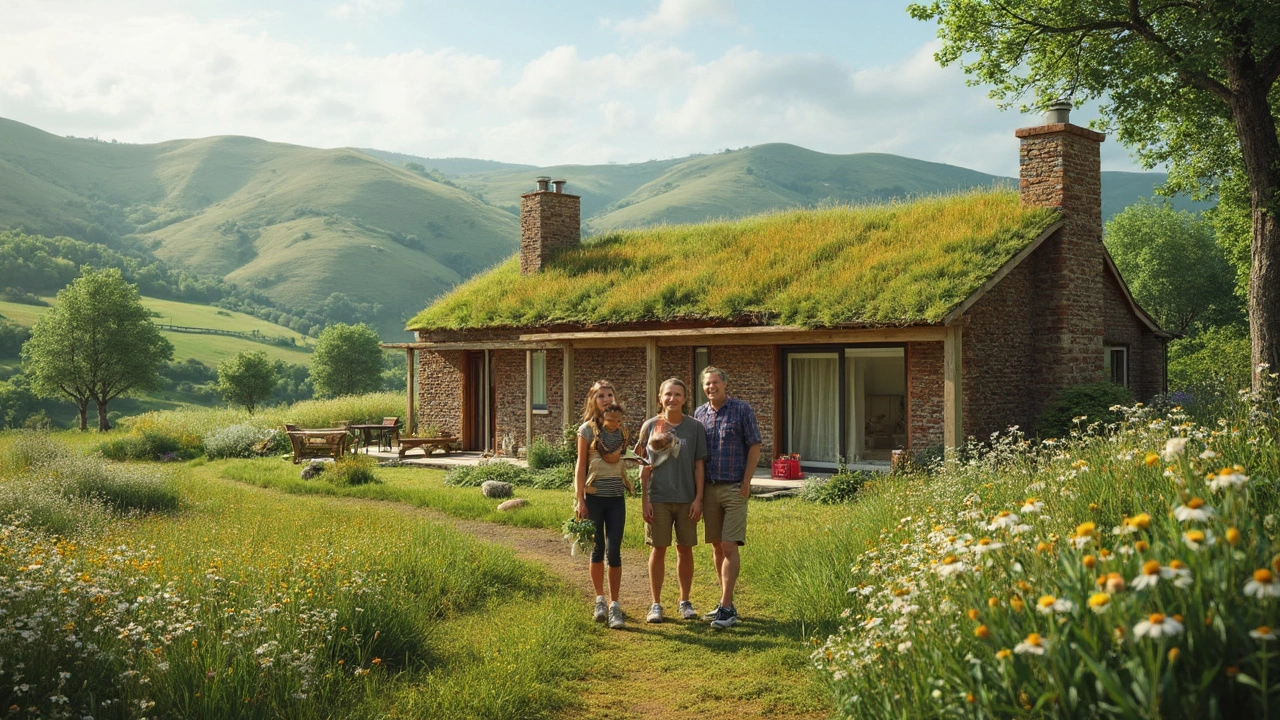
Thinking of building a cottage but worried about the planet? This article breaks down the most eco-friendly building materials out there. You'll learn some eye-opening facts about each option and how they stack up in real life. Whether you're obsessed with tiny carbon footprints or just want a healthy home, you'll get straightforward advice. Get ready for practical tips that actually make sense.
Read more