Eco-Home Investment & Payback Estimator
Upfront Costs
Expected Savings
Analysis & Practicality Warning:
| Risk Factor | Impact | Mitigation Strategy |
|---|---|---|
| Resale Value | High | Build for long-term stay, not flipping. |
| Maintenance | Moderate | Maintain detailed logs of specialized systems. |
| Indoor Air | Moderate | Ensure HRV calibration and regular filter changes. |
Key Trade-offs of Sustainable Living
- Higher initial investment compared to traditional builds.
- Steeper learning curve for managing smart energy systems.
- Potential for higher maintenance on niche green materials.
- Stricter limitations on architectural flexibility.
The Sticker Shock of Green Building
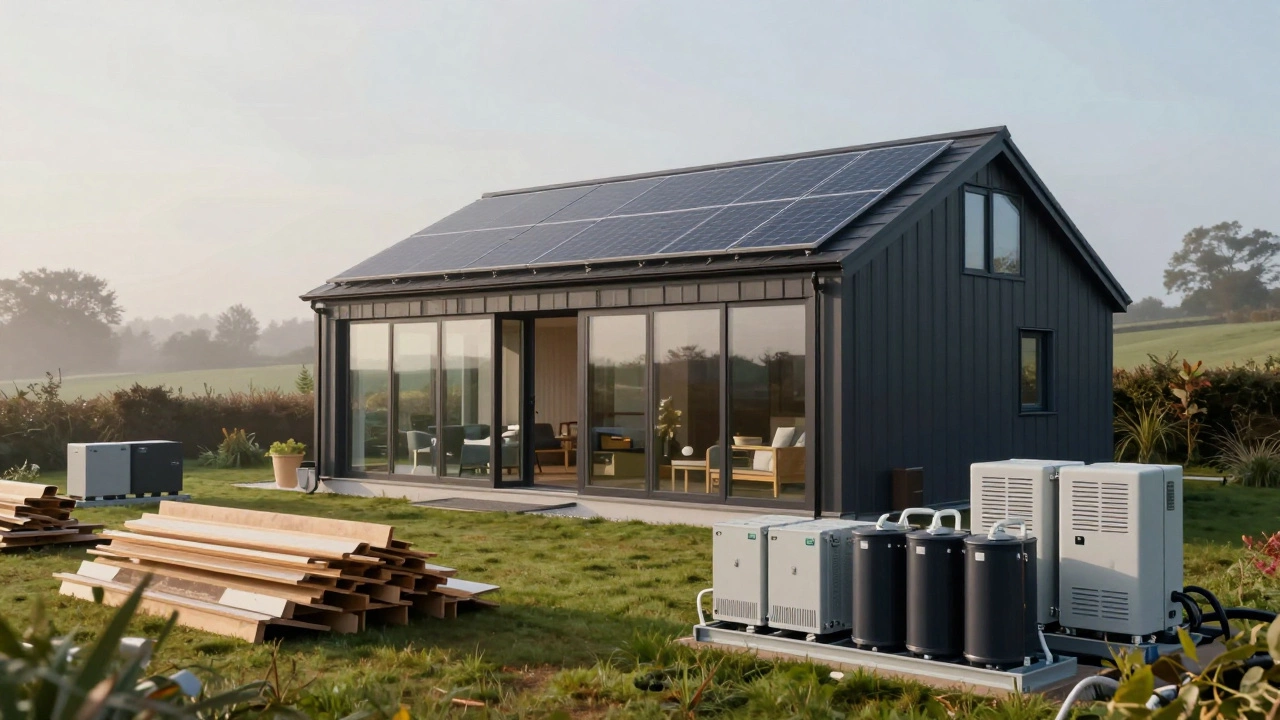
Let's be honest: the biggest hurdle is the price tag. When you decide to go green, you aren't just buying a house; you're buying a complex system of high-tech components. Sustainable Architecture is a design approach that seeks to minimize the negative environmental impact of buildings through efficiency and moderation in the use of materials. This often means paying a premium for materials that aren't mass-produced. For example, if you want recycled steel or FSC-certified timber, you're likely paying 15% to 30% more than you would for standard lumber from a big-box store.
Then there's the technology. Installing a Solar PV System (photovoltaic) is a great move for the planet, but the upfront cost for panels, inverters, and battery storage like the Tesla Powerwall can run into tens of thousands of dollars. While the energy bills eventually drop, the "payback period"-the time it takes for the energy savings to cover the initial cost-can take a decade or more. For many, spending a huge chunk of their budget on invisible infrastructure rather than aesthetic finishes is a hard pill to swallow.
The Maintenance Mystery
Standard homes are easy to fix because every plumber and electrician knows how they work. Eco homes, however, often use specialized systems that require a specific set of skills. Imagine your Greywater System-a water recycling system that treats water from sinks and showers for irrigation use-suddenly clogs. You can't just call the nearest handyman; you need someone who understands the biology of a reed bed or the specifics of a filtration pump. This creates a dependency on niche contractors who might charge more and have longer wait times.
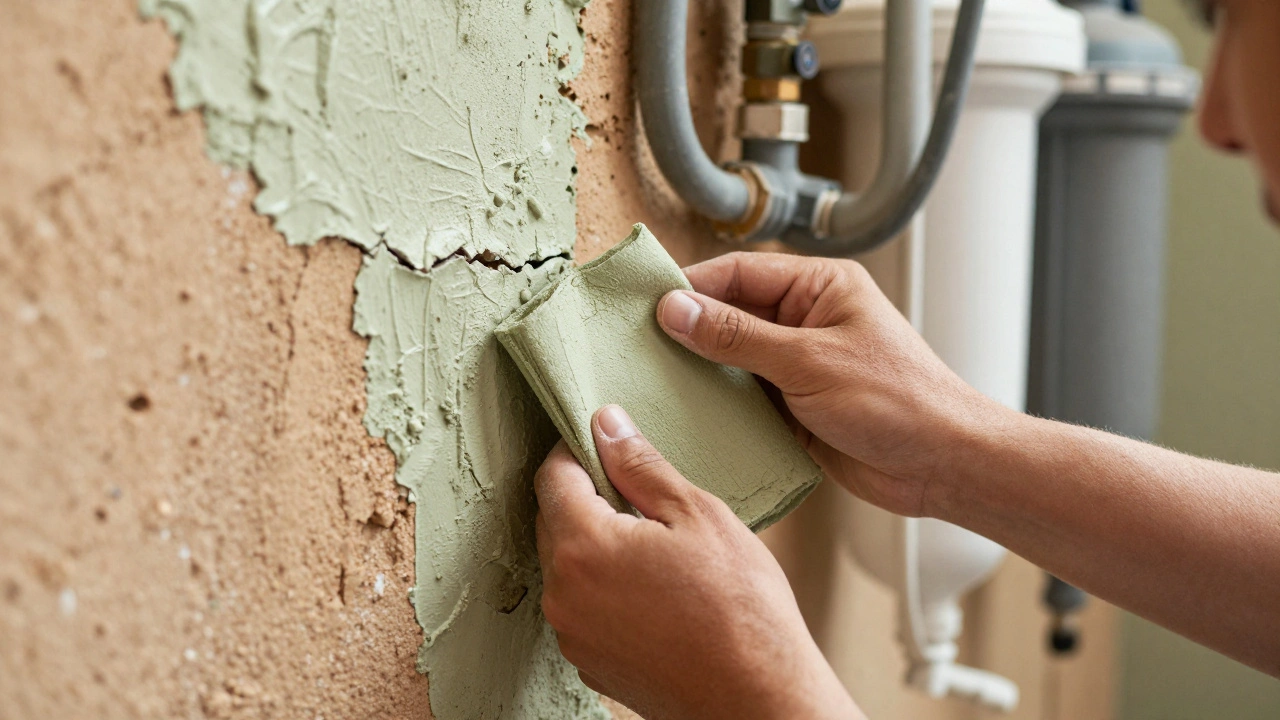
Materials can also be temperamental. Many eco-friendly cottages use Rammed Earth or Cob (a mixture of clay, sand, and straw). While these provide incredible thermal mass, they aren't exactly "set and forget." They can be prone to surface cracking or require specific lime-based plasters to prevent erosion. If you're used to the low-maintenance life of vinyl siding and drywall, the hands-on nature of natural materials can feel like a chore.
The Struggle with Comfort and Control
Many green homes are built using Passive House standards, which focus on extreme insulation and airtightness to keep heat in. In theory, this is brilliant. In practice, it can lead to a strange feeling of "stagnant air" if the ventilation isn't perfect. You rely heavily on a Heat Recovery Ventilation (HRV) system to bring in fresh air. If that system fails or is poorly calibrated, the house can feel stuffy, or worse, develop moisture issues because the building is too airtight.
Temperature control is another quirk. Thermal mass materials, like thick stone or earth walls, are great at absorbing heat during the day and releasing it at night. However, they react slowly. If a sudden cold snap hits, you can't just "crank up the heat" and feel it instantly. You have to plan your heating strategy days in advance, which feels restrictive compared to the instant gratification of a standard central heating system.
| Feature | Eco Home (Sustainable) | Traditional Home | Impact on Owner |
|---|---|---|---|
| Upfront Cost | High (Premium Materials) | Standard/Market Rate | Lower initial budget flexibility |
| Energy Bills | Very Low to Zero | Moderate to High | Long-term financial gain |
| Repair Ease | Requires Specialists | General Contractor | Higher maintenance stress |
| Indoor Air | Filtered/Managed (HRV) | Natural Leaks/AC | Dependence on machinery |
Designing Around the Planet, Not the Person
When you build an eco-friendly cottage, the environment often dictates the design. You can't just put a window wherever you want a view; you have to place it where the sun will hit it at 10 AM in November to maximize Passive Solar Gain. This means your floor plan is driven by the movement of the sun rather than your personal preference for a breakfast nook or a specific bedroom layout.
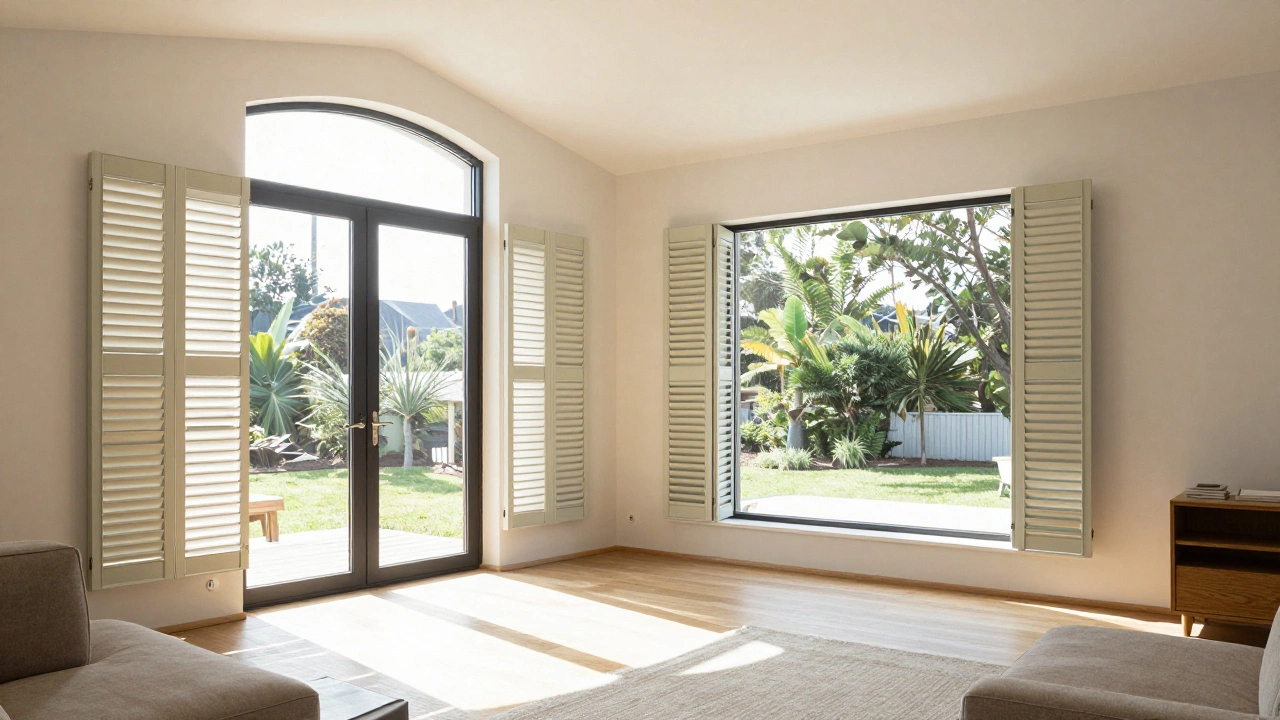
This "environmental determinism" can lead to awkward room shapes or a lack of privacy in certain areas. You might find yourself with a huge south-facing living room that's great for winter but requires massive external shutters to keep the house from becoming an oven during a summer heatwave. It's a constant game of balancing the home's efficiency with the actual human experience of living in it.
The "Green Gap" in Real Estate Value
Here is a truth that real estate agents rarely mention: the market doesn't always reward green features with a higher resale price. You might spend $50,000 extra on an advanced Geothermal Heating system, but when it comes time to sell, the average buyer might only care about the kitchen countertops and the number of bathrooms. They see the geothermal system as a "weird quirk" rather than a value-add, meaning you might not recover your investment upon selling.
This creates a financial risk. If you're building for the long haul and intend to stay for thirty years, the energy savings make sense. But if you're treating your home as a financial asset to be flipped in five years, an eco home can actually be a liability. The gap between the cost to build and the market's willingness to pay for those features is a significant disadvantage for the speculative homeowner.
Finding the Middle Ground
Does this mean you should give up on your sustainable dream? Not at all. It just means you should avoid the "all or nothing" trap. You don't need a fully off-grid, rammed-earth fortress to be eco-friendly. The most successful green homes are those that pick and choose the most impactful features-like high-quality insulation and energy-efficient windows-while sticking to traditional layouts and common materials for the rest.
Think of it as a spectrum. On one end, you have the ultra-eco cottage that requires a PhD to operate. On the other, you have a standard suburban box. The sweet spot is in the middle: a home that uses smart technology to reduce its footprint without making the owner feel like a prisoner to their own HVAC system. By focusing on Energy Efficiency rather than total self-sufficiency, you can get 80% of the environmental benefits with only 20% of the stress.
Are eco homes harder to finance?
Yes, sometimes. Traditional banks use "comparables" to value a home. If your eco cottage uses unusual materials like straw bales or hempcrete, the bank may struggle to find similar homes to justify the loan amount, which can make getting a mortgage more complicated.
Do solar panels really pay for themselves?
Eventually, yes, but it's not instant. Depending on your local electricity rates and sunlight exposure, it usually takes between 7 to 12 years to break even. The advantage is that once the system is paid off, your energy costs drop significantly for the remainder of the panels' 25-year lifespan.
Is an eco home actually warmer in winter?
Generally, yes, because of superior insulation and air-sealing. However, they can feel colder initially if you don't have a high-performance heating system, as they lack the "leaky" warmth of some traditional homes that rely on constant, high-energy heating.
Will I have to change my lifestyle to live in one?
To some extent, yes. You'll become more aware of your energy and water usage. You might need to adjust your habits, such as using specific blinds to manage heat or being mindful of how much water you send into a greywater system.
What is the most common failure in eco homes?
Moisture and mold are the biggest risks, especially in airtight homes. If the ventilation system (like an HRV) is improperly installed or the owner turns it off to "save energy," humidity builds up quickly, which can damage the structure and affect health.
Next Steps for Prospective Owners
If you're still leaning toward a green build, start by auditing your actual needs. Do you really need to be off-grid, or do you just want lower bills? If you're a first-time builder, consider a "hybrid" approach. Use a standard frame but invest heavily in a Heat Pump and high-density cellulose insulation. This gives you the efficiency of an eco home without the risk of needing a specialized engineer every time a pipe leaks.
For those looking at existing eco cottages, ask for the maintenance logs. See how often the filtration systems were cleaned and if there have been any issues with dampness. A well-run eco home is a dream, but a poorly managed one is a money pit. Do your homework, prioritize function over fashion, and remember that the most sustainable home is often the one that's already built and just needs a few smart upgrades.