Self-Catering Accommodation Selector
Select your travel preferences below to find the best self-catering accommodation for your trip. The tool will analyze your needs and recommend the most suitable option from the three types described in the article.
Recommended Accommodation Type
Best for: Families, long stays, charm seekers
Price range: £80-£250
Best for: Couples, short trips, tech users
Price range: £120-£300
Best for: Adventure seekers, digital nomads, eco-travelers
Price range: £150-£400
Your Recommended Option
When you’re planning a getaway, the type of accommodation you choose can make or break your trip. Self-catering options give you freedom, control over meals, and often more space than a hotel room. But not all self-catering stays are the same. There are three main types you’ll come across - and each one serves a different kind of traveler.
Traditional Holiday Cottages
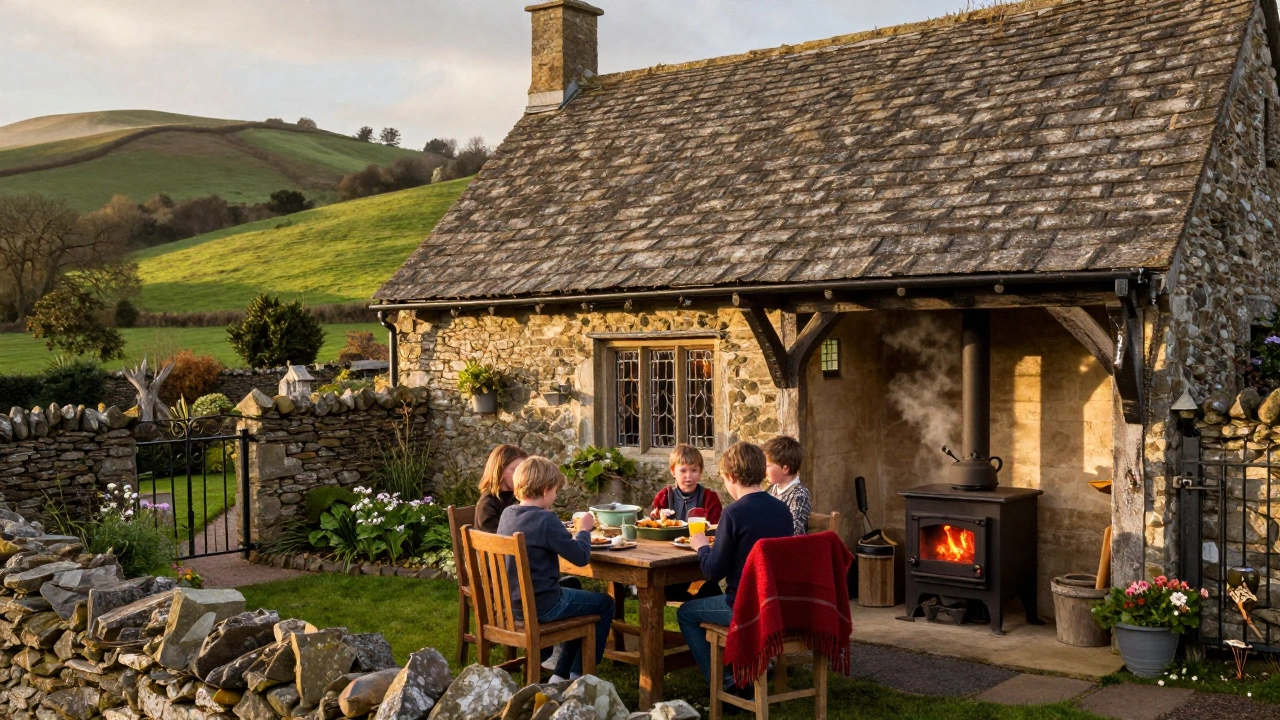
These are the classic self-catering homes you picture when you think of a countryside escape. Think stone walls, wooden beams, a full kitchen, and maybe a wood-burning stove. They’re often found in rural areas, near hiking trails, or by the sea. Many have been converted from old farm buildings, barns, or even former schoolhouses. These cottages usually sleep 2 to 8 people and come with everything you need: dishes, pots, a fridge, laundry, and sometimes even a garden or hot tub.
What makes them special? You’re not just renting a room - you’re renting a home. You can cook your own breakfast, buy local cheese from a farm shop, and eat dinner while watching the sunset from the porch. These cottages are popular with families, couples looking for quiet, and anyone who wants to unplug. In the UK alone, over 120,000 traditional holiday cottages are listed for rent each year, according to the UK Holiday Cottages Association.
Modern Apartment-Style Self-Catering Units
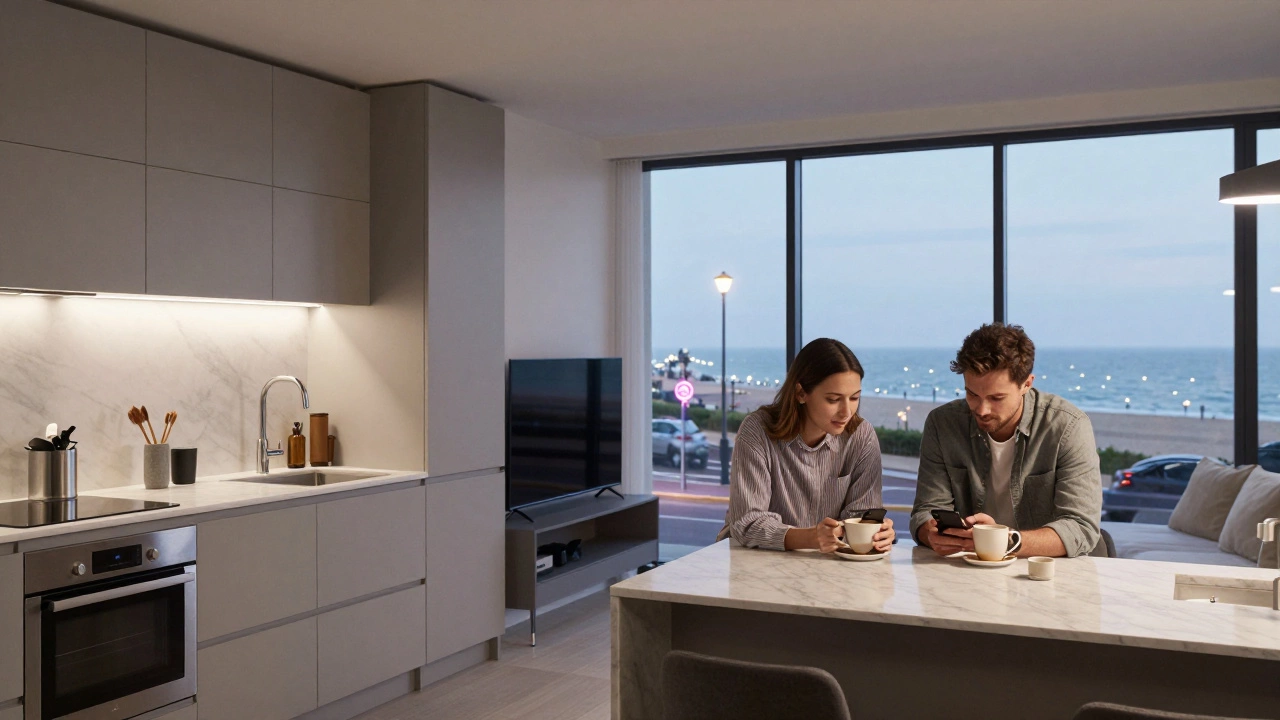
These are often part of larger complexes - think converted warehouses, newly built developments near city centers, or seaside apartment blocks. They look more like a high-end studio or one-bedroom apartment than a rustic cottage. You’ll find sleek kitchens with stainless steel appliances, smart TVs, and sometimes even in-floor heating. These are common in places like Edinburgh, Brighton, or the Lake District, where space is limited but demand for self-catering is high.
They’re ideal for short trips, business travelers needing a kitchen, or couples who want modern comforts without hotel prices. Many come with parking, 24/7 check-in via app, and cleaning services between stays. Unlike traditional cottages, these units often have shared amenities like gyms, rooftop terraces, or communal lounges. They’re growing fast - a 2025 survey by UK Holiday Rentals found that bookings for modern self-catering apartments rose 37% in the last two years, especially among travelers under 35.
Remote and Off-Grid Cabins
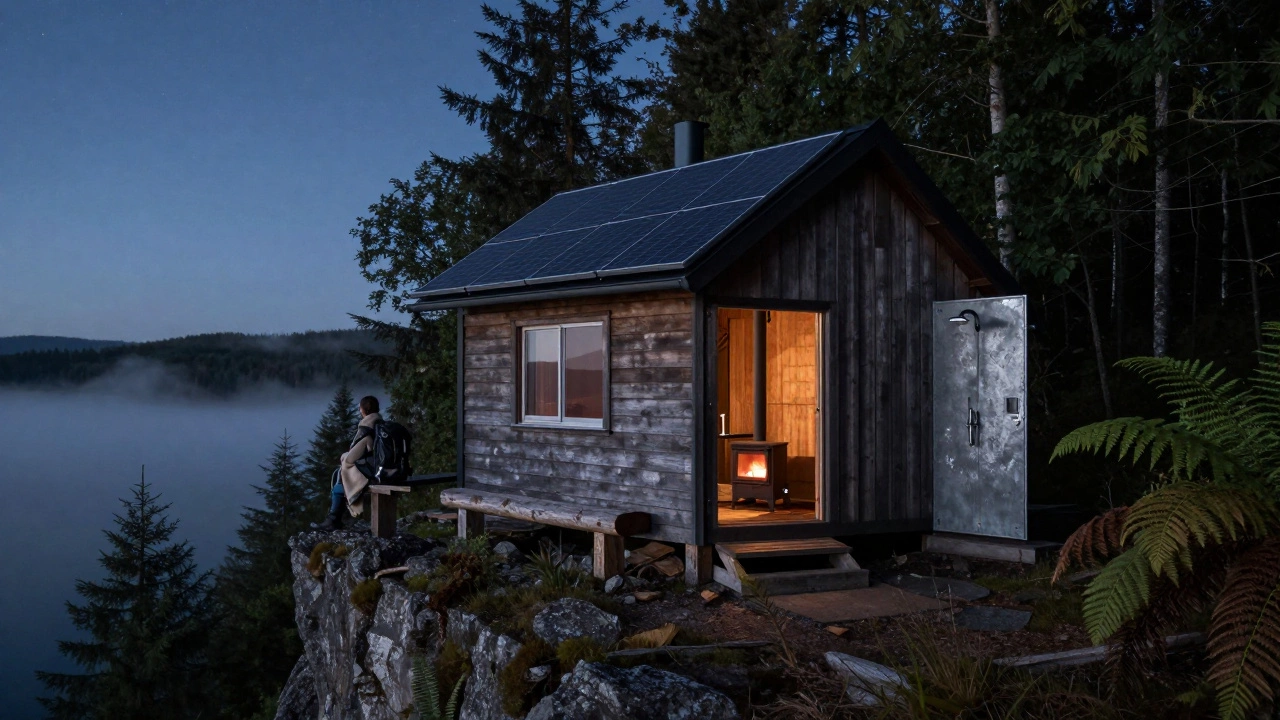
These are the most adventurous option. Think tiny wooden cabins tucked into forests, perched on cliffs, or floating on lakes. No grid electricity. No running water. Sometimes no Wi-Fi at all. These places rely on solar panels, composting toilets, rainwater collection, and propane stoves. They’re not for everyone - but they’re perfect for those who want total disconnect.
They’re often booked by digital nomads testing remote work setups, nature lovers, or people recovering from burnout. Many are eco-certified and built with reclaimed timber or recycled materials. Some even have outdoor showers or wood-fired hot tubs. In 2025, a report by the Global Eco-Lodging Network found that bookings for off-grid cabins increased by 52% year-over-year, with the most demand coming from Germany, the Netherlands, and the U.S.
How to Choose the Right One
It all comes down to what you need.
- Choose a traditional holiday cottage if you want charm, space, and a real home-away-from-home feel.
- Go for a modern apartment-style unit if you want convenience, tech, and easy access to cafes, transport, or nightlife.
- Book an off-grid cabin if you’re ready to unplug completely and embrace nature - no compromises.
Don’t just pick based on price. A £400 cottage might seem cheaper than a £600 apartment, but if the cottage has no heating in winter or no washing machine, you might end up spending more on laundry services or takeout meals. Always check the amenities list - not just the photos.
What to Look For Before Booking
Here’s what most travelers miss:
- Check if the kitchen is fully equipped - some only have a microwave and a mini-fridge.
- See if bedding and towels are included. Some places charge extra.
- Look for heating costs - especially in older cottages. Gas and electricity might be billed separately.
- Read reviews about noise. A cabin might be quiet, but if it’s next to a popular hiking trail, you might get early morning foot traffic.
- Confirm the check-in process. Some places use key boxes, others require a meet-up.
Why Self-Catering Beats Hotels
It’s not just about saving money. Self-catering lets you live like a local. You can shop at the farmers market, cook a meal with ingredients you picked up that morning, and eat in pajamas. No early wake-up calls. No noisy hallways. No breakfast buffets with rubbery eggs.
Studies show travelers who stay in self-catering accommodation report 40% higher satisfaction rates than those in hotels, according to a 2024 survey by the Travel Experience Institute. Why? Control. Privacy. Space. And the simple joy of making your own coffee while watching the mist roll off the hills.
| Feature | Traditional Cottage | Modern Apartment | Off-Grid Cabin |
|---|---|---|---|
| Location | Rural, countryside, seaside | Cities, towns, popular tourist zones | Remote forests, cliffs, lakes |
| Best For | Families, long stays, charm seekers | Couples, short trips, tech users | Adventure seekers, digital nomads, eco-travelers |
| Kitchen | Fully equipped, traditional | Modern, stainless steel, smart appliances | Basic, propane or wood-fired |
| Heating | Gas or electric, sometimes wood stove | Central heating, often included | Solar or wood stove, may require extra fuel |
| Internet | Usually available | High-speed Wi-Fi | None or satellite only |
| Typical Price Range (per night) | £80-£250 | £120-£300 | £150-£400 |
Are self-catering cottages cheaper than hotels?
It depends. For longer stays - like a week or more - self-catering almost always saves money because you’re cooking your own meals. For short weekend trips, the price difference can be small. But self-catering gives you more space, privacy, and flexibility. A family of four can easily save £200-£400 on meals alone by cooking in a cottage instead of eating out every night.
Do self-catering places have cleaning services?
Most don’t - especially traditional cottages. You’re expected to leave the place tidy. Some modern apartments include a mid-stay clean for stays longer than 7 nights. Always check the listing. If cleaning isn’t included, you’ll need to pack extra trash bags and dish soap. A few places offer optional cleaning for a fee, which is worth it if you’re traveling with kids or don’t want to spend your vacation scrubbing.
Can I bring my pet to a self-catering cottage?
Many do - but not all. About 60% of traditional holiday cottages welcome pets, while only 30% of modern apartments allow them. Off-grid cabins are often pet-friendly because they’re surrounded by nature. Always look for the pet icon on booking sites, and check if there’s a fee (usually £15-£50 per stay). Some places require proof of vaccinations or ask you to keep pets off furniture.
What’s the difference between a self-catering cottage and a B&B?
A B&B (bed and breakfast) gives you a room and a meal - usually breakfast - prepared by the host. You don’t have a kitchen. A self-catering cottage gives you your own kitchen, full privacy, and no host living on-site. You cook, clean, and do everything yourself. B&Bs are great for a short, relaxing stay. Self-catering cottages are better for longer trips or if you want to live like a local.
Are off-grid cabins safe?
Yes - if you book through reputable providers. Most off-grid cabins have emergency contact numbers, solar-powered lighting, and backup propane for cooking. They’re often monitored remotely via cameras or sensors. But they’re not for people who panic without Wi-Fi or running water. Always check the listing for safety features: first aid kit, fire extinguisher, emergency supplies. And never go alone if you’re inexperienced - bring a friend.
Final Thoughts
There’s no single "best" type of self-catering accommodation. The right one depends on your travel style, budget, and what kind of experience you’re after. Whether you want to relax in a cozy cottage with a view, enjoy city lights from a sleek apartment, or disappear into the wild in a quiet cabin - each type offers something different. The key is knowing what you really need before you book. Don’t just pick the cheapest. Pick the one that fits your trip.”