Coastal Revenue Premium Estimator
Revenue & Value Capture Tool
Financial Impact Analysis
How this works: This tool demonstrates the Value Capture concept mentioned in the article. By increasing the Average Daily Rate (ADR) through the "Blue Space" effect and scarcity, developers create a revenue stream that offsets the high cost of fixed coastal land.
The Brutal Math of Scarcity
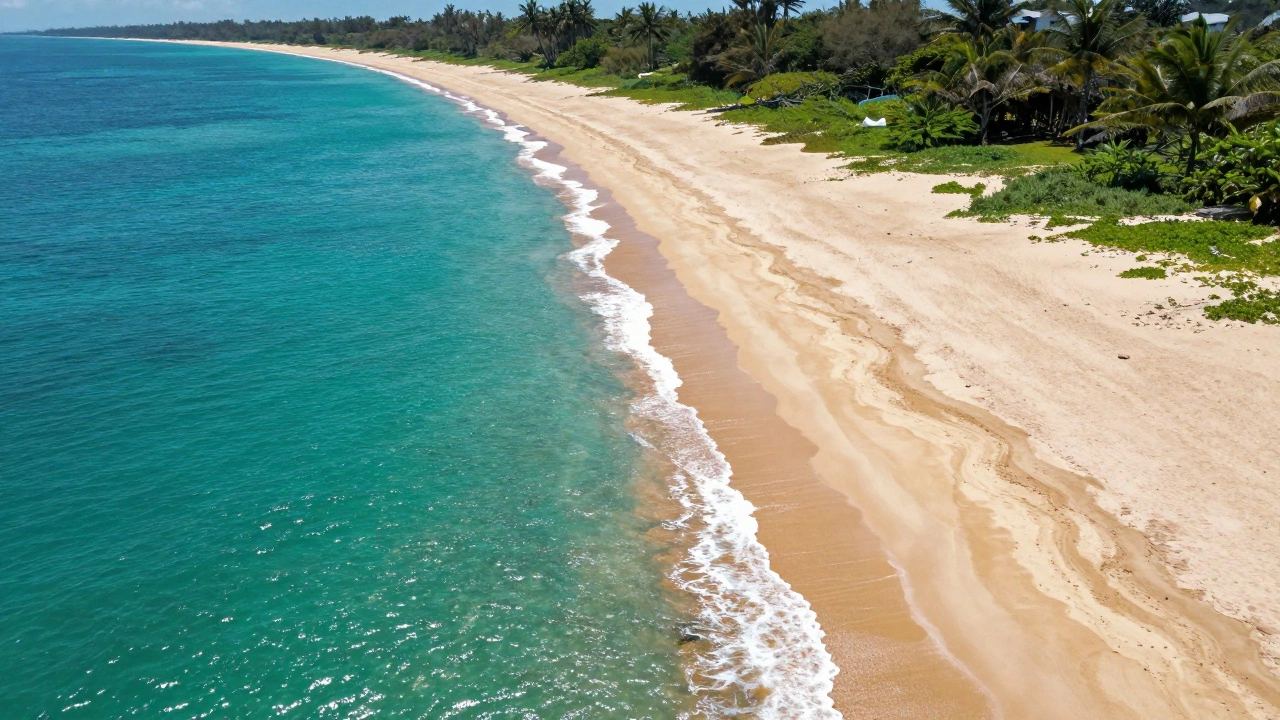
At its core, the price of coastal land is driven by beachfront land value is the financial premium placed on real estate that directly borders a body of water. In economics, this is the law of scarcity. There is a fixed amount of coastline on Earth. Whether it's the Mediterranean or the shores of the Caribbean, the amount of land that touches the ocean is finite. When you have a limited supply and a global pool of billionaires wanting a piece of it, the price doesn't just rise-it explodes.
Think about it like original art. You can print a million copies of a painting, but there is only one original. Beachfront land is the "original painting" of the real estate world. Because you can't create more of it, every single plot becomes a trophy asset. For a Real Estate Investment Trust a company that owns, operates, or finances income-producing real estate, these properties are gold because they hold their value far better than inland plots during market crashes.
Why Hotels Bet Big on the Coast
If you're building beachfront hotels commercial hospitality properties located directly on a sandy beach, the land cost is often the biggest hurdle. But why do they do it? Because they can charge a massive premium for the "beachfront" label. A room with a sea view can often cost double or triple the price of a room facing the parking lot, even if the bed and shower are identical.
This is called "value capture." The hotel isn't just selling a room; they are selling an experience. The immediate access to the water reduces the friction for the guest. No shuttles, no long walks, no traffic. That convenience is a product in itself. When a hotel brand like Four Seasons a global luxury hotel and resort company buys a coastal plot, they aren't just buying dirt; they are buying a competitive moat. Once they own that strip of sand, no one else can build a competing hotel right next to them on that same shoreline.
| Attribute | Beachfront Land | Inland Commercial Land |
|---|---|---|
| Supply Growth | Zero (Fixed) | Moderate (Zoning changes) |
| Price Volatility | Low (High demand floor) | Medium (Market dependent) |
| Revenue Potential | Premium Luxury Pricing | Volume/Standard Pricing |
| Risk Factors | Sea Level Rise / Storms | Infrastructure / Zoning |
The "Amenity Effect" and Psychological Value
There's a psychological component here called the "Blue Space" effect. Research in environmental psychology shows that humans have an innate attraction to water, which reduces stress and improves mental well-being. This isn't just a feeling; it's a value driver. When people search for a vacation, they don't just want a hotel; they want the sound of the waves and the smell of salt air. This emotional connection allows owners to push prices far beyond the actual utility of the land.
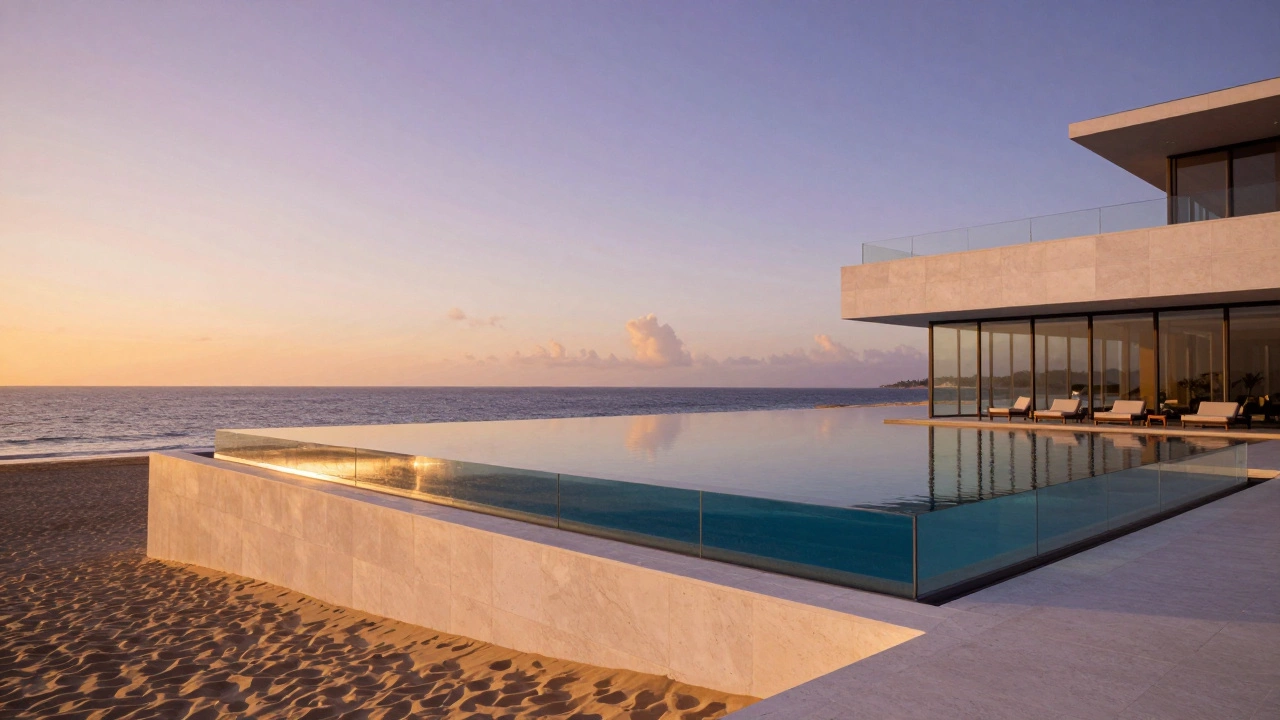
Beyond the vibes, there's the prestige factor. Owning a Luxury Villa a high-end residential property typically featuring premium amenities and private beach access is a status symbol. In the world of high-net-worth individuals, land is a way to signal wealth. The more "exclusive" the location-meaning the fewer people have access to it-the more valuable it becomes. This is why a plot in St. Barts costs ten times more than a similarly sized plot in a less "trendy" coastal town.
The Hidden Costs of Coastal Ownership
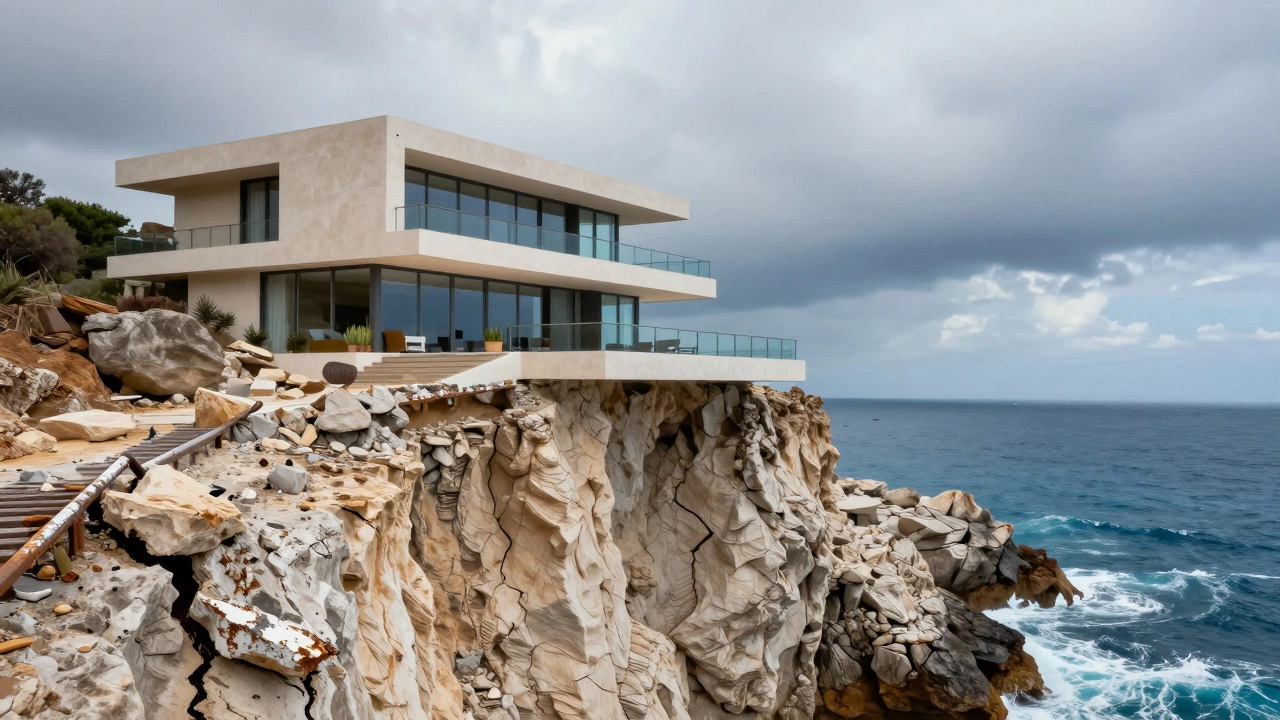
High prices aren't just about the purchase; they're about the risk. When you buy land by the sea, you're fighting a war against nature. Salt air corrodes steel and eats through paint. Sand gets into everything. The maintenance costs for a Resort a place offering lodging and various leisure activities for vacationers on the beach are significantly higher than for one in a city. You need specialized materials, constant painting, and aggressive landscaping to keep the property looking pristine.
Then there's the legal side. Most coastal land is subject to strict Zoning Laws government regulations that dictate how land can be used and developed. In many countries, the beach itself is public land, and you only own the land up to a certain "high water mark." Trying to build a permanent structure too close to the tide can lead to massive fines or your building being washed away in a single storm. The high price of the land often reflects the difficulty and legal gymnastics required to actually build something on it.
The Future: Climate Change and the Value Bubble
Here is the elephant in the room: Sea Level Rise the increase in the average level of the ocean's surface due to global warming. For decades, coastal land has been a safe bet. But as we move toward 2030 and beyond, the risk profile is changing. Insurance companies are starting to pull out of high-risk coastal zones or hiking premiums to astronomical levels. If you can't get flood insurance, the value of the land plummets because you can't get a mortgage for it.
We're seeing a shift where "elevated" beachfront land-plots that are slightly higher above sea level-is becoming even more valuable than the absolute shoreline. The market is beginning to price in the risk of erosion. However, the demand for these spots is still so high that prices haven't crashed; they've just become more selective. The truly "safe" beach plots are now the most expensive assets on the planet.
The Investment Trade-off: Risk vs. Reward
If you're looking at this from an investment perspective, the play is usually long-term. Beachfront land rarely "goes on sale." Instead, it waits for a buyer who doesn't care about the price. This makes it a great hedge against inflation. When the dollar loses value, a piece of the coast in Hawaii or the Maldives remains a tangible, desirable asset that people will always want.
But for the average operator, the high entry cost means you need a very high Average Daily Rate (ADR) to make the numbers work. You can't run a budget motel on beachfront land. The land cost forces you into the luxury tier. This creates a cycle: high land costs lead to luxury developments, which attract wealthy guests, which further increases the land value. It's a self-reinforcing loop that keeps the barriers to entry incredibly high for new competitors.
Does all beachfront land hold its value?
Not necessarily. While the general trend is upward, land in areas prone to severe erosion or those with restrictive new environmental laws can lose value. Location, elevation, and legal title to the shore are the three biggest variables.
Why is it so much more expensive than land just one block back?
The "first-row" premium. Direct access to the beach allows for higher rental rates in hotels and higher resale values for homes. The moment you have to cross a street to get to the sand, the "exclusive" feeling disappears, and the price drops significantly.
Can I build a hotel on any beachfront plot?
Rarely. Most coastal regions have strict set-back requirements, meaning you must build a certain distance away from the shoreline to prevent erosion and protect the ecosystem. You also need specific commercial zoning permits which are often limited in number.
Is beachfront land a good investment in 2026?
It remains a strong asset for wealth preservation, but the risk of climate change is now a primary factor. Investors are now prioritizing "resilient coastal/elevated" properties over those at the absolute water's edge.
What are the biggest maintenance costs for beach properties?
The biggest costs are salt-spray corrosion (requiring high-grade stainless steel and specialized paints), sand removal, and storm damage repair. HVAC systems also fail faster in coastal environments due to the salty air.
Next Steps for Prospective Buyers
If you're eyeing a coastal plot, don't just look at the view. Start by checking the 50-year erosion map of the area. If the shoreline is retreating by a foot a year, your "beachfront" might be underwater in a few decades. Next, talk to an insurance broker to see if the property is even insurable. If the premiums are 10% of the property value per year, your ROI will vanish quickly.
Finally, dig into the local zoning laws. Find out exactly where the public beach ends and your private property begins. There is nothing worse than paying a premium for beachfront land only to find out that the local government allows the public to camp on your front lawn. Get a specialized coastal surveyor to mark the boundaries before you sign anything.