
Family of 4 Hotel Cost & Occupancy Calculator
Estimation Results
Total Estimated Cost
$0
Per night: $0
Occupancy Status
Recommendation
- $0 Base Room Rate (0 nights)
- $0 Extra Person Fees (0 guests)
- $0 City Taxes (0 people)
Picture this: you’ve finally booked that dream holiday. The kids are excited, the itinerary is packed, and you’re ready for some well-deserved downtime. Then comes the moment of truth-checking into your hotel. You walk up to the desk, hand over your passport, and the receptionist looks at your reservation with a slight frown. "I’m sorry," they say, "but our standard rooms only allow two guests."
It’s a nightmare scenario for any parent planning a trip with children. The question on every family traveler’s mind is simple but tricky: can a family of 4 stay in one hotel room? The short answer is yes, but it rarely works out if you just book a standard double room without checking the fine print. Hotels have strict rules about occupancy, fire safety, and bedding configurations that can turn a relaxing vacation into a stressful logistical puzzle.
Navigating these restrictions doesn’t have to be complicated. By understanding how hotels classify rooms, what policies apply to extra guests, and which amenities matter most for families, you can secure comfortable accommodation that fits both your budget and your needs. Let’s break down everything you need to know before you click 'book'.
Understanding Hotel Occupancy Limits and Fire Safety
Before we talk about beds, we need to talk about rules. Hotels don’t arbitrarily limit the number of people in a room; they follow strict local fire codes and building regulations. These laws dictate the maximum number of occupants allowed in a specific square footage of space to ensure everyone can evacuate safely in an emergency.
In many countries, including Australia and much of Europe, a standard hotel room is often legally capped at two adults or two adults plus one child. This is why you’ll see signs saying "Maximum Occupancy: 2" on the door. If you try to squeeze four people into a room designed for two, you aren’t just breaking house rules-you’re potentially violating safety laws.
Fire Safety Regulations are local laws that determine the maximum number of people allowed in a hotel room based on square footage and exit access. These regulations vary by city and country, meaning a rule that applies in Sydney might not apply in London or New York. Most standard rooms range from 200 to 300 square feet. While that sounds spacious for a couple, it becomes cramped quickly when you add luggage, suitcases, and two more humans.
If you exceed the occupancy limit, hotels may refuse check-in entirely. In some cases, they might offer to upgrade you to a larger suite or a connecting room, but this usually comes with a steep price tag. Always check the "maximum occupancy" field on your booking confirmation before you travel.
The Difference Between Double, Twin, and Quad Rooms
Not all hotel rooms are created equal, and terminology can be confusing. To accommodate a family of four, you need to look beyond the standard "Double Room." Here’s what the common terms actually mean:
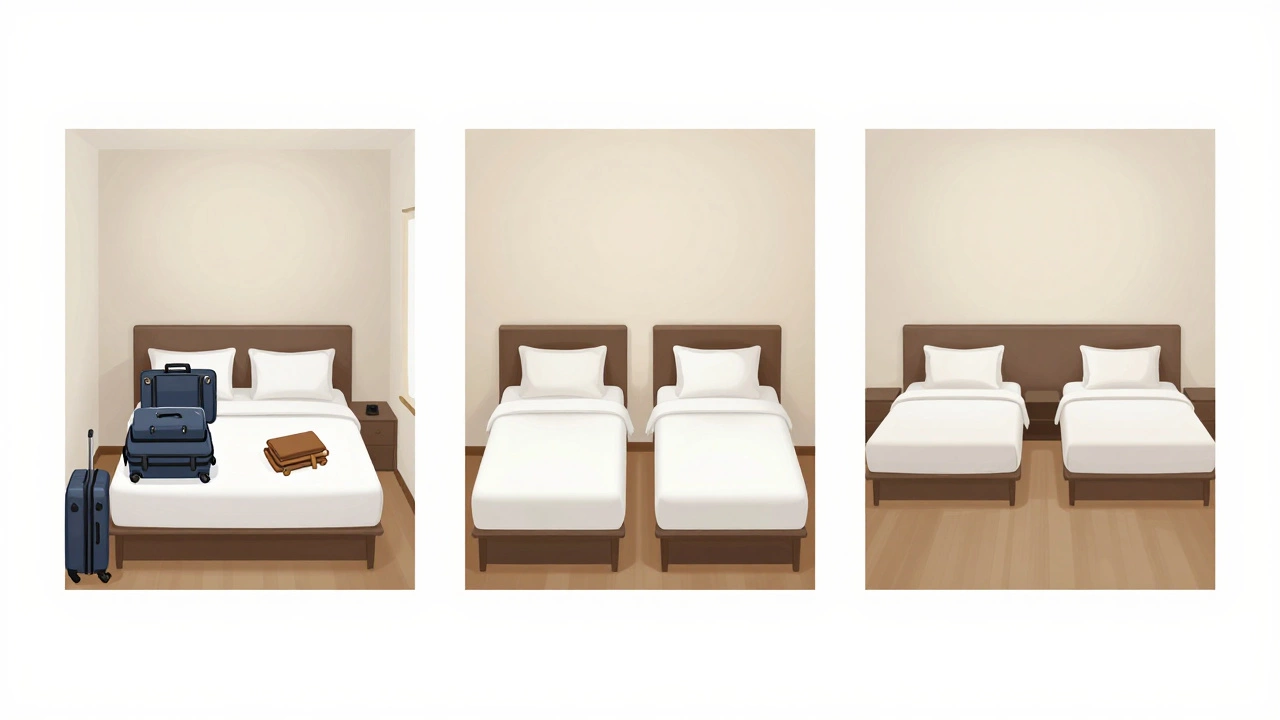
- Double Room: Contains one large bed (Queen or King). Typically allows two guests. Not suitable for four people unless there is a sofa bed, which isn’t always guaranteed.
- Twin Room: Contains two separate single beds. Often allows two guests, but sometimes permits three if a rollaway bed is added. Rarely accommodates four comfortably.
- Quad Room: Specifically designed for four people. Usually features two double beds or four single beds. This is the ideal choice for families.
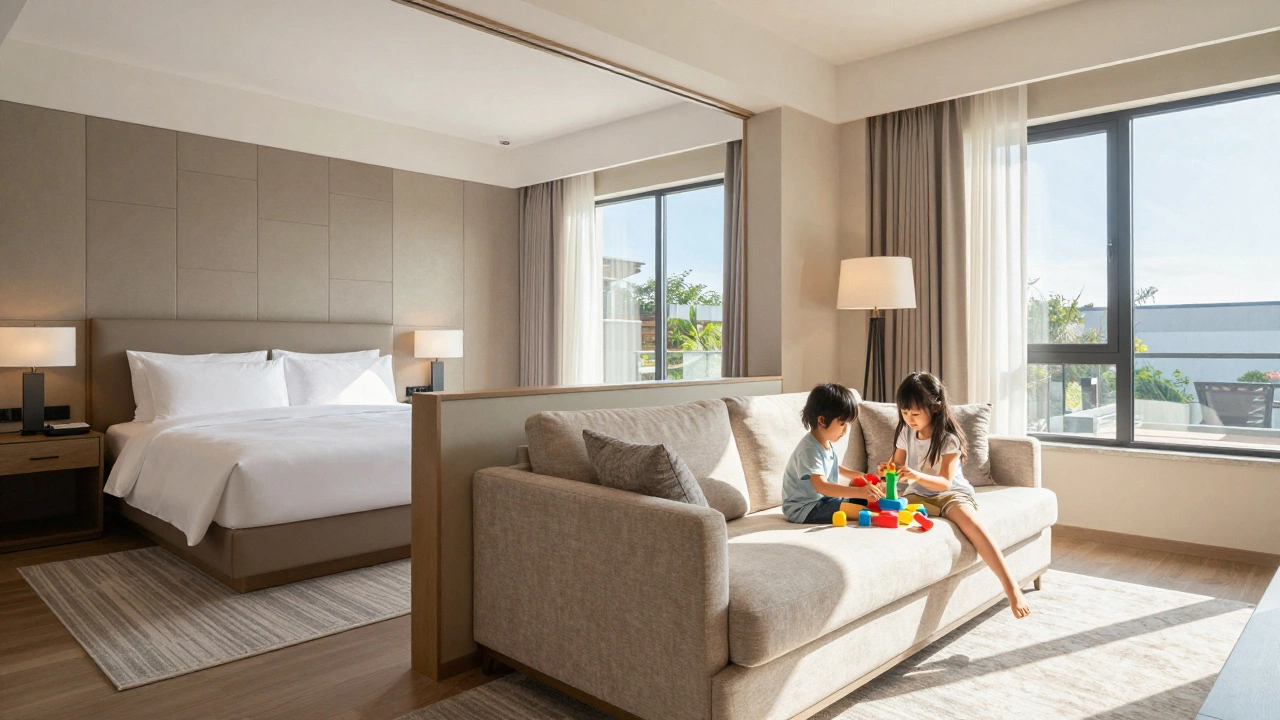
- Suite: A larger unit with separate living and sleeping areas. Suites often come with sofa beds in the living area, making them perfect for families who want more space.
When searching for accommodation, filter for "Quad" or "Family Room" rather than just looking for "two beds." Many budget chains use vague language like "Standard Room with Two Beds," which could mean two narrow twin beds or two full-size doubles. Reading the detailed description is crucial.
| Room Type | Typical Bedding | Max Occupancy | Best For |
|---|---|---|---|
| Double Room | 1 King/Queen Bed | 2 Adults | Couples |
| Twin Room | 2 Single Beds | 2-3 Guests | Friends/Siblings |
| Quad/Family Room | 2 Doubles or 4 Singles | 4 Guests | Families of 4 |
| Junior Suite | 1 King + Sofa Bed | 3-4 Guests | Families wanting space |
Hidden Costs: Extra Person Fees and Taxes
Even if a hotel allows four people in a room, it doesn’t mean you pay for just two guests. Many properties charge an "extra person fee" for each additional guest beyond the base rate. This fee can range from $15 to $50 per night, per person, depending on the hotel’s star rating and location.
Why do they charge this? It’s not just about greed. Each extra guest increases wear and tear on the room, consumes more water and electricity, and requires additional linens and towels. Luxury hotels also factor in breakfast costs if meals are included in the package.
City Tax is a mandatory fee charged by local governments to tourists staying in hotels, often calculated per person per night. In cities like Paris, Venice, or Rome, this tax can add up quickly. For a family of four, a €3 per person nightly tax becomes €12 a night, adding significant cost to your stay. Always look for the "total price" including taxes and fees before confirming your booking. Some booking sites hide these extras until the final checkout page.
To avoid surprises, call the hotel directly after booking online. Ask specifically: "Is there an extra person charge for two children under 12?" Many family-friendly hotels waive these fees for minors, but you won’t know unless you ask.
Bedding Options: Rollaways vs. Bunk Beds
If a true Quad room isn’t available, your next best option is a room with a sofa bed or a request for a rollaway bed. However, not all hotels provide these for free.
Rolllaway Beds are portable temporary beds that hotels bring into rooms to accommodate extra guests. They are often narrower than standard twin beds (sometimes only 28 inches wide) and can be uncomfortable for adults. They are generally acceptable for young children but may leave older kids feeling squeezed.
Bunk beds are another alternative, commonly found in resorts and family-oriented chains like Hilton Garden Inn or Marriott Residence Club. Bunk beds save floor space, giving you more room to move around during the day. However, they require caution for younger children and may not be suitable for teenagers who value privacy.
Pro tip: If you’re booking a room with a sofa bed, measure it mentally. Many hotel sofa beds are firm and lack proper mattresses. Bring a thin foam mattress pad from home if you plan to sleep on it for more than a few nights.
Choosing Family-Friendly Hotels: What to Look For
Not all hotels are built for families. When selecting where to stay, look for specific amenities that make life easier for parents and enjoyable for kids.
- Kids’ Clubs: Supervised activities allow parents to relax while children play. Common in all-inclusive resorts and beachfront hotels.
- Pool Access: A heated indoor pool is a lifesaver in colder climates. Outdoor pools should have shallow ends for younger swimmers.
- Kitchenettes: Having a mini-fridge, microwave, and sink lets you prepare simple meals, saving money and accommodating picky eaters.
- Connecting Rooms: If one room isn’t enough, look for hotels offering connecting doors between two adjacent rooms. This gives everyone space while keeping the family together.
- Free Breakfast: Feeding four hungry mouths in the morning is easier when breakfast is included. Buffet-style options cater to diverse tastes.
Brands like Hilton, Mariott, and Accor often have dedicated family programs with points bonuses for kids and special welcome gifts. Independent boutique hotels may offer more unique experiences but less standardized family amenities.
Alternatives to Traditional Hotel Rooms
If traditional hotels seem too restrictive or expensive, consider alternative accommodations that naturally accommodate larger groups.
Vacation Rentals are private homes or apartments rented out for short-term stays, often via platforms like Airbnb or Vrbo. They typically offer multiple bedrooms, full kitchens, and living areas, providing significantly more space per dollar compared to hotels. They are ideal for families who want to cook their own meals and spread out.
Another option is All-Inclusive Resorts, which bundle food, drinks, and activities into one price. While the upfront cost is higher, the predictability helps families budget better. Plus, many all-inclusives design their suites specifically for families, with separate sleeping quarters for parents and children.
For those seeking nature, Glamping Cottages or eco-friendly cabins offer rustic charm with modern comforts. These accommodations often feature loft spaces or bunk rooms that appeal to kids, turning the stay itself into part of the adventure.
Booking Strategies for Success
To ensure a smooth experience, follow these practical steps when booking for a family of four:
- Read Reviews: Search for keywords like "family," "kids," or "space" in recent reviews. Other parents will mention if rooms feel cramped or if staff were helpful with extra beds.
- Contact the Hotel Directly: After booking online, email or call the front desk. Confirm the exact bedding configuration and ask about any hidden fees.
- Book Early: Quad rooms and suites are limited inventory. Booking months in advance ensures you get the right room type before they sell out.
- Consider Loyalty Programs: Joining hotel loyalty programs is free and can sometimes unlock complimentary upgrades to larger rooms for members.
- Check Cancellation Policies: Flexibility is key. If your plans change, you don’t want to lose money on a non-refundable booking.
Remember, the goal is comfort and convenience. Don’t sacrifice sleep quality for a slightly cheaper rate. A good night’s rest makes the difference between a memorable vacation and a exhausting ordeal.
Can 4 adults stay in one standard hotel room?
Generally, no. Most standard hotel rooms are legally restricted to two adults due to fire safety codes. Some hotels may allow it with a rollaway bed, but this is rare and often discouraged. It’s best to book two rooms or a suite for four adults.
Do hotels charge extra for children under 12?
Policies vary widely. Many family-friendly hotels allow two children under 12 to stay free if they share existing bedding. However, some luxury hotels charge per person regardless of age. Always check the specific hotel’s policy before booking.
What is the best room type for a family of 4?
A Quad Room with two double beds is ideal. Alternatively, a Junior Suite with a king bed and a sofa bed offers more space. Avoid standard double rooms unless you confirm they have adequate extra bedding.
Are connecting rooms better than one large room?
Yes, for most families. Connecting rooms provide more privacy, separate bathrooms, and more space for luggage. They are especially useful if parents and children have different sleep schedules.
How much does an extra person fee cost?
Extra person fees typically range from $15 to $50 per night per person. City taxes can add another $3-$10 per person per night. Always look for the total inclusive price to avoid surprises.
Can I request a crib or cot for my baby?
Yes, most hotels offer cribs or cots for infants, often for free or a small daily fee. Request this at the time of booking to ensure availability, as supply is limited.
Is it cheaper to book two rooms or one suite?
It depends on the hotel. In luxury properties, a suite might be cheaper than two separate rooms. In budget chains, two standard rooms are often more affordable. Compare prices directly on the hotel’s website.
What if the hotel refuses check-in because of occupancy?
If you’ve exceeded the legal occupancy limit, the hotel can legally refuse check-in. They may offer to relocate you to a nearby partner hotel or upgrade you if available. Always verify occupancy limits before arrival.