
All-Inclusive Holiday Savings Calculator
Trip Details
Select Booking Strategy
Book 4-6 Months Ahead
~15% OffBest balance of price and certainty.
Last-Minute Deal
~40% OffHigh risk, high reward. Requires flexibility.
Shoulder Season Travel
~30% OffGreat weather, fewer crowds, lower rates.
Alternative Destination
~25% OffSimilar experience, less famous location.
There is nothing worse than booking a dream all-inclusive holiday that turns into a financial nightmare once you land. You pack your bags expecting unlimited cocktails and gourmet meals, only to find hidden fees for premium spirits, Wi-Fi charges, or excursions that drain your wallet faster than the sun burns your skin. The good news? You do not have to break the bank to enjoy the convenience of an all-inclusive resort.
Many travelers believe that these packages are inherently expensive, but the reality is quite different if you know where to look and when to book. By shifting your strategy from last-minute panic bookings to strategic planning, you can slash costs by 30% to 50%. This guide breaks down exactly how to secure the best rates, avoid sneaky upsells, and maximize every penny you spend on your next getaway.
Timing Is Everything: When to Book for the Lowest Rates
The single biggest factor in saving money on all-inclusive hotels is timing. Most people wait until the last minute, hoping for a deal, but this often backfires. Airlines and resorts prefer certainty, so they reward early planners with their lowest base rates. For major destinations like the Caribbean or Mexico, booking 4 to 6 months in advance usually yields the best prices.
However, there is a sweet spot for late-bookers too. If you are flexible with your dates, look at "last-minute" deals released within 2 to 3 weeks of departure. Resorts will drop prices significantly to fill empty rooms, especially during shoulder seasons. Avoid peak periods like Christmas week, Easter, or summer school holidays unless you want to pay double. Instead, target May, June, September, or October. These months offer great weather and lower demand, meaning better rates and fewer crowds.
- Best time to book: 4-6 months ahead for standard rates.
- Last-minute window: 14-21 days before departure for steep discounts.
- Avoid: School holidays and major festivals.
Choose Shoulder Season Over Peak Season
If your schedule allows flexibility, traveling during the shoulder season is the easiest way to save money without sacrificing quality. Shoulder season refers to the period between high and low seasons. For example, in the Caribbean, this might be late April or early November. The weather is still pleasant, but the crowds have thinned out.
Resorts adjust their pricing dynamically based on occupancy. During peak season, they charge premium rates because demand is high. In the shoulder season, they lower prices to attract guests who might otherwise skip the trip due to minor weather risks (like a slightly higher chance of rain). You get the same room, the same food, and the same service for a fraction of the cost. Plus, you’ll likely find shorter lines at restaurants and more availability for spa appointments.
Leverage Price Comparison Tools and Alert Systems
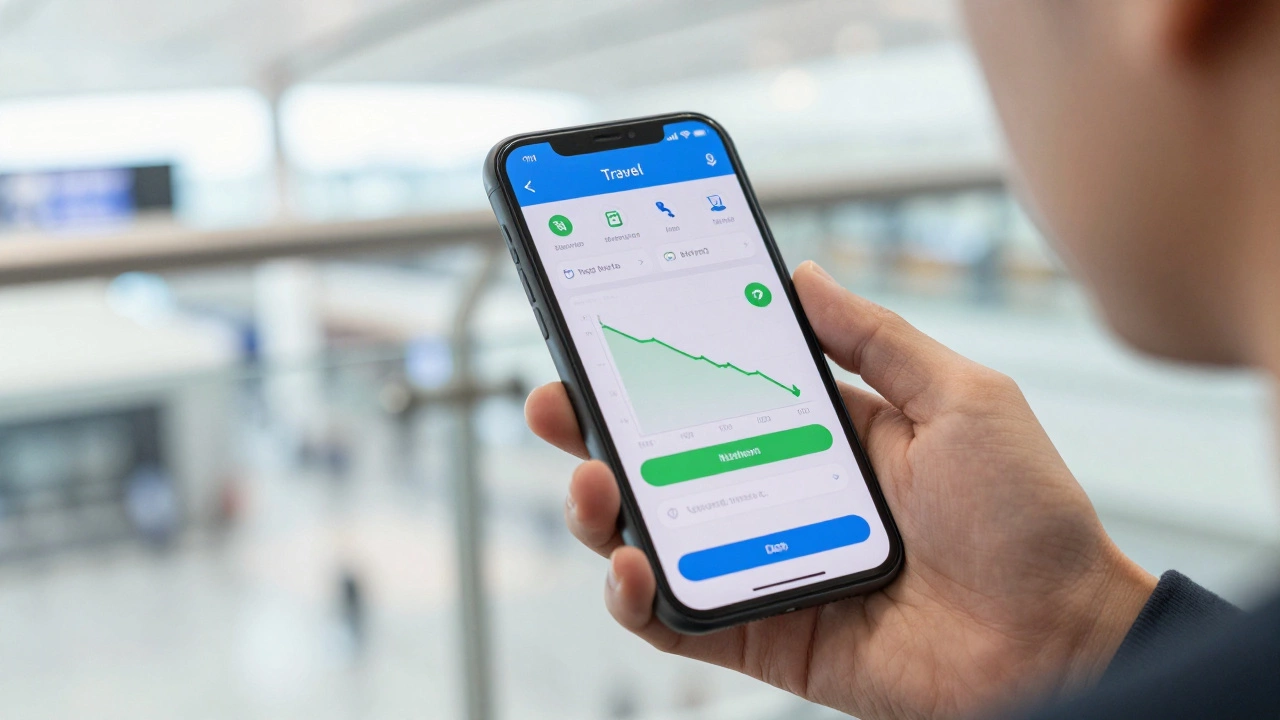
Never book directly with a resort without checking third-party aggregators first. Websites like Expedia, Booking.com, and specialized travel platforms often bundle flights and hotels to offer lower combined rates. Use price comparison tools to scan multiple sites simultaneously. Set up price alerts for your desired destination and dates. These alerts notify you when prices drop, allowing you to snap up a deal before it disappears.
Sometimes, the best deals are found through error fares or flash sales. Subscribe to newsletter alerts from major travel brands and follow deal-hunting communities on social media. Keep an eye on package deals that include transfers and insurance, as these can sometimes be cheaper than booking each component separately. Always read the fine print to ensure the package truly includes everything advertised.
Consider Alternative Destinations
Popular destinations like Cancun, Punta Cana, or St. Lucia command higher prices due to their reputation. However, neighboring regions often offer similar experiences at lower costs. For instance, instead of staying in the heart of Cancun, consider hotels in Playa del Carmen or Tulum, which may offer better value for money. In the Caribbean, islands like Dominican Republic’s Samana Peninsula or Jamaica’s Negril provide stunning beaches and excellent all-inclusive options without the premium price tag of more famous spots.
Research emerging destinations that are investing in tourism infrastructure. These areas often compete aggressively on price to build their reputation. You might find newer resorts with modern amenities offering introductory rates to attract first-time visitors. Just ensure the location has good reviews regarding safety, food quality, and customer service.
Negotiate Perks and Upgrade Your Stay
Once you have found a rate you like, do not stop there. Contact the resort directly after booking through a third party. Ask if they can match the price or add perks like free upgrades, dining credits, or airport transfers. Resorts often prefer direct bookings because they avoid commission fees paid to online travel agencies. They may be willing to offer additional benefits to secure your loyalty.
When speaking with the reservation team, be polite but firm. Mention any special occasions like honeymoons or anniversaries, as resorts often provide complimentary champagne, room decorations, or dinner vouchers for such events. Even small perks can add up to significant savings over the course of your stay.
| Strategy | Potential Savings | Risk Level | Best For |
|---|---|---|---|
| Booking 4-6 Months Ahead | 10-20% | Low | Planners who need certainty |
| Last-Minute Deals | 30-50% | High | Flexible travelers with open schedules |
| Shoulder Season Travel | 20-40% | Medium | Those prioritizing value over perfect weather |
| Alternative Destinations | 15-30% | Low | Adventurous travelers seeking new experiences |
Understand What “All-Inclusive” Really Means
Not all all-inclusive packages are created equal. Some resorts label themselves as all-inclusive but exclude premium alcohol, specialty restaurants, or activities like scuba diving and golf. Before booking, carefully review what is included. Look for terms like “premium all-inclusive” or “luxury all-inclusive,” which typically cover top-shelf liquor and à la carte dining.
If a resort excludes certain items, calculate the potential cost of those extras. Sometimes, a slightly more expensive upfront rate saves money in the long run by covering more amenities. For example, if you plan to drink wine daily or eat at multiple restaurants, a package that includes these features will be cheaper overall than one that charges per meal or drink.
Use Loyalty Programs and Credit Card Rewards
If you travel frequently, join loyalty programs offered by major hotel chains like Marriott, Hilton, or Accor. These programs often provide members with exclusive discounts, early access to sales, and points that can be redeemed for free nights or upgrades. Even if you do not stay at these properties regularly, signing up is free and can yield unexpected benefits.
Credit card rewards are another powerful tool. Use cards that offer travel bonuses, cash back on travel purchases, or points transferable to airline miles. Many cards also include travel insurance, which can save you hundreds if your trip gets canceled or delayed. Be sure to pay off your balance in full each month to avoid interest charges that negate your savings.

Avoid Hidden Fees and Upsells
One of the most common ways all-inclusive resorts make extra money is through upsells. Staff may encourage you to buy premium drinks, rent equipment, or book excursions through the resort. While convenient, these options are often marked up significantly. Research independent tour operators beforehand to compare prices. Sometimes, booking activities outside the resort can save you 20% to 50%.
Also, watch out for mandatory resort fees, Wi-Fi charges, or gratuities that are not included in the advertised rate. Read reviews from recent guests to identify any hidden costs. If something seems unclear, contact the resort directly to clarify before booking. Transparency is key to ensuring you get true value for your money.
Travel During Off-Peak Hours
Even within a given month, some weeks are cheaper than others. Mid-week arrivals (Tuesday or Wednesday) often result in lower rates compared to weekend arrivals. Similarly, departing mid-week can help you avoid surge pricing. If you work remotely or have flexible hours, try to structure your vacation around these less popular travel days.
Additionally, consider extending your stay. Some resorts offer weekly rates that are significantly cheaper per night than nightly rates. Adding a few extra days to your trip might actually reduce your average daily cost while giving you more time to relax and enjoy the amenities.
Check for Package Deals and Bundles
Bundle deals combine flights, hotels, and sometimes car rentals or transfers into one package. These bundles are often cheaper than booking each element separately because airlines and hotels negotiate bulk rates with travel agencies. Look for promotions during seasonal sales events like Black Friday, Cyber Monday, or New Year’s resolutions.
Some travel websites offer exclusive bundle discounts for members or subscribers. Joining these platforms can give you access to deals not available to the general public. Always compare the total cost of the bundle against individual bookings to ensure you are genuinely saving money.
Final Checklist Before Booking
To ensure you get the best deal, use this checklist before finalizing your all-inclusive holiday:
- Compare prices across at least three different booking platforms.
- Read recent guest reviews to verify what is truly included.
- Check for hidden fees like resort taxes, Wi-Fi, or premium dining.
- Set up price alerts to monitor fluctuations.
- Contact the resort directly to ask for upgrades or perks.
- Consider alternative destinations or shoulder-season travel.
- Review cancellation policies in case plans change.
By following these strategies, you can enjoy a luxurious all-inclusive experience without overspending. Remember, the goal is not just to find the cheapest option, but to maximize value for your money. With careful planning and smart choices, your next vacation can be both affordable and unforgettable.
Is it cheaper to book an all-inclusive holiday in advance or last minute?
For most travelers, booking 4 to 6 months in advance offers the best balance of price and availability. However, if you are highly flexible, last-minute deals (14-21 days before departure) can offer significant discounts as resorts try to fill unsold rooms. Avoid waiting too close to the date unless you find a verified sale, as prices often spike for immediate departures.
What does “all-inclusive” usually exclude?
Standard all-inclusive packages often exclude premium alcohol (top-shelf liquors), specialty à la carte restaurants, spa treatments, guided excursions, and sometimes even Wi-Fi. Always check the specific inclusions listed by the resort. Luxury or premium all-inclusive brands tend to cover more amenities, reducing the need for extra spending during your stay.
Can I negotiate a better price with the resort directly?
Yes, contacting the resort directly after booking through a third party can sometimes lead to matched prices or added perks like room upgrades, dining credits, or free transfers. Resorts prefer direct bookings to avoid commission fees, so they may offer incentives to enhance your experience without lowering the base rate significantly.
Are alternative destinations really cheaper than popular ones?
Are alternative destinations really cheaper than popular ones?
Often, yes. Emerging tourist areas or less famous islands frequently offer lower accommodation rates to attract visitors. For example, staying in Playa del Carmen instead of central Cancun, or choosing Jamaica over the Bahamas, can result in substantial savings while providing comparable beach and resort experiences. Research local reviews to ensure quality standards meet your expectations.
How can credit card rewards help save money on all-inclusive trips?
Credit cards with travel rewards allow you to earn points or cash back on everyday purchases that can be redeemed for flights, hotels, or statement credits. Some cards also offer travel insurance, lounge access, or no foreign transaction fees, which adds value beyond direct cost reductions. Always pay off the balance monthly to avoid interest charges that outweigh the rewards.