Self-Catering Savings Calculator
How much can you save by choosing self-catering?
Compare the cost of eating out with the cost of preparing your own meals in a self-catered residence.
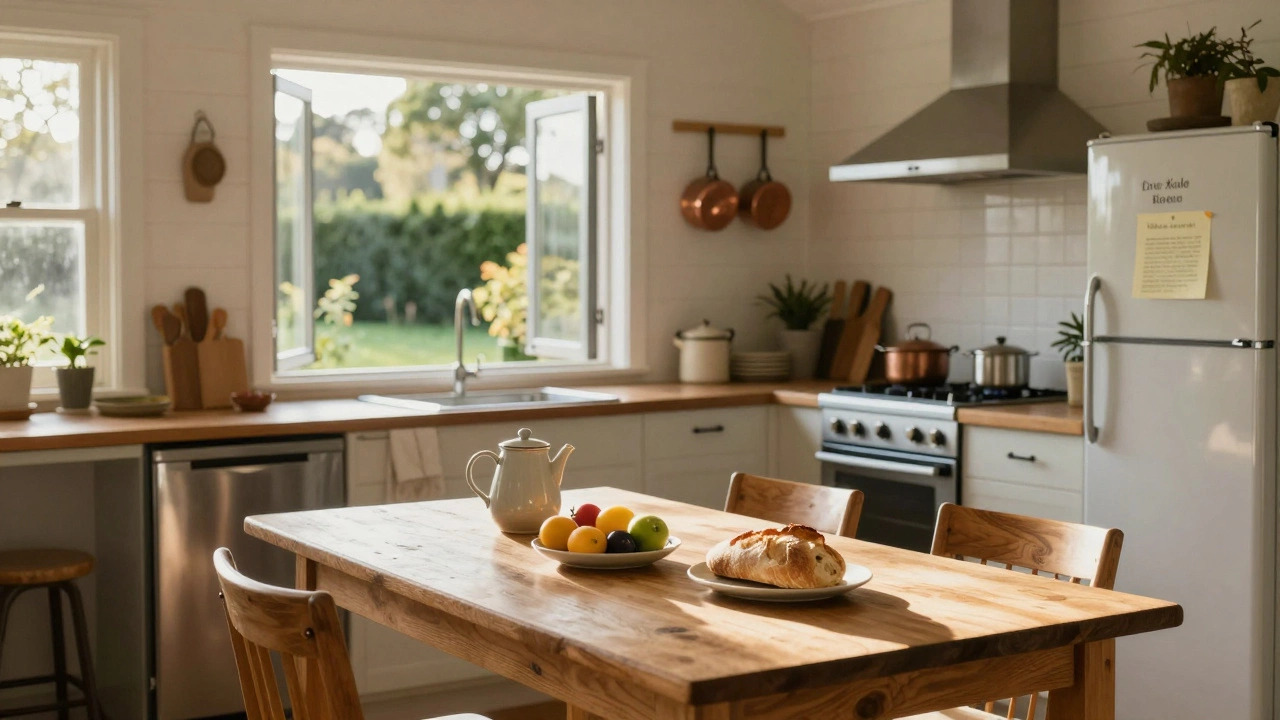
Ever stayed in a hotel where you had to eat every meal out, pay extra for breakfast, or just settle for room service that tasted like cardboard? Now imagine waking up, walking into your own kitchen, making coffee, grabbing fruit from the fridge, and eating breakfast at your own table-no rush, no extra charges. That’s what self-catered residences are all about.
What Exactly Is a Self-Catered Residence?
A self-catered residence is any rental property-like a cottage, apartment, or house-that comes with a fully equipped kitchen and no meals included. You buy your own food, cook your own meals, and clean up after yourself. It’s not a hotel. It’s not a bed and breakfast. It’s your temporary home, with the freedom to eat when you want, what you want, and how you want.
These places usually include basics like a stove, fridge, microwave, pots, pans, plates, cups, and cutlery. Some have dishwashers. Others might have a BBQ outside. You won’t find daily housekeeping or room service, but you’ll get space, privacy, and control over your routine.
Self-catered residences are common in rural areas, beach towns, and cities where people want to stretch their travel budget. In Australia, you’ll find them in places like the Adelaide Hills, the Great Ocean Road, or the Blue Mountains. In Europe, they’re everywhere-from Scottish crofts to Italian villas.
Why Choose Self-Catering Over a Hotel?
People pick self-catered residences for three big reasons: money, flexibility, and comfort.
Money: Eating out for every meal adds up fast. Three meals a day at a local café? That’s $60-$100 a day for two people. In a self-catered place, you can buy groceries at a supermarket, cook a simple pasta dish for $8, and still have leftovers for lunch the next day. Over a week, that’s hundreds saved.
Flexibility: No set breakfast time. No last call for dinner. If you wake up at 10 a.m. and feel like eggs and toast at noon? Go for it. Got a late flight? Cook dinner at 9 p.m. No one’s going to knock on your door asking you to leave the dining room.
Comfort: You’re not in a room with thin walls and a TV that plays ads. You’re in a real home. Maybe it’s got a backyard, a fireplace, or a view of trees. You can leave your clothes out, leave the radio on, leave the windows open. It feels less like a transaction and more like a stay.
What’s Included in a Typical Self-Catered Cottage?
Not every self-catered place is the same, but most have these basics:
- Full kitchen with stove, oven, fridge, freezer
- Cookware: pots, pans, baking trays
- Diningware: plates, bowls, glasses, mugs, cutlery
- Basic appliances: microwave, kettle, toaster
- Laundry facilities: washing machine, detergent (sometimes)
- Bedding and towels (usually provided)
- Wi-Fi and heating/cooling
Some places go further: you might get a coffee machine, a BBQ, a dishwasher, or even a wine fridge. Always check the listing. Some owners list exactly what’s in the kitchen-like “includes 4 pots, 2 frying pans, coffee maker, and a blender.” Others just say “kitchen available.” If you’re planning to bake, boil pasta daily, or make smoothies, ask before you book.
Where Do You Find Self-Catered Residences?
You’ll find them on the same platforms you’d use for hotels: Airbnb, Booking.com, Vrbo, and local rental agencies. But the best ones aren’t always the most popular.
Look for listings that say “self-catering,” “fully equipped kitchen,” or “independent accommodation.” Avoid places labeled “B&B” or “hotel-style” unless they clearly say meals aren’t included. Some owners hide the fact that they don’t serve food-until you show up and realize there’s no stove.
In rural areas, local property managers often list directly on their own websites. Try searching for “self catering cottages [town name]” instead of just “vacation rentals.” You’ll find smaller, quieter, and often cheaper options.
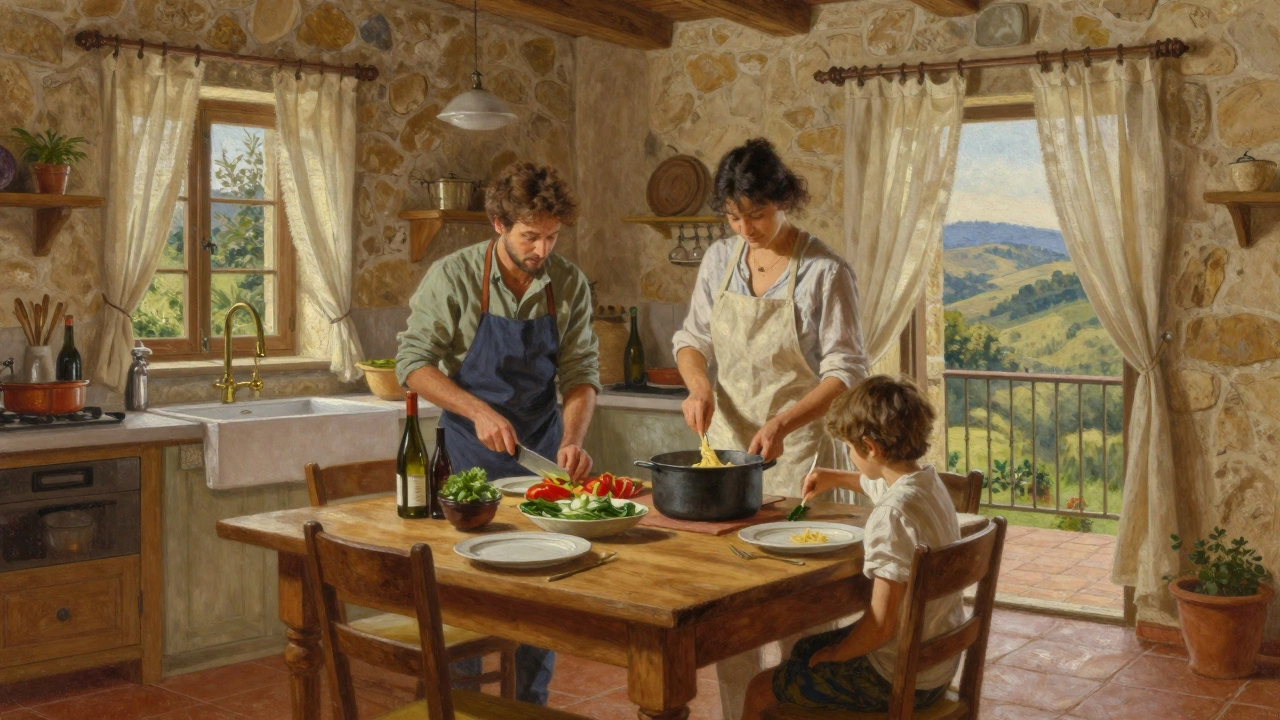
For example, in the Adelaide Hills, there are dozens of family-run cottages that have been rented out for 20 years. They don’t have flashy photos or 5-star reviews on Airbnb. But they have real kitchens, real gardens, and owners who leave a note with local bakery recommendations.
What’s Not Included? Watch Out for These Surprises
Just because it’s called “self-catered” doesn’t mean everything’s free.
- Cleaning fees: Many charge $50-$150 to clean after you leave, even if you tidy up.
- Utility limits: Some places cap electricity or water use. If you run the washing machine 5 times a day in winter, you might get charged extra.
- Minimum stays: Weekends? Holidays? You might need to book for 3 or 4 nights, even if you only want one.
- Security deposits: Often $200-$500, refundable after inspection.
- No toiletries: Soap, shampoo, toilet paper? Sometimes yes, sometimes no. Always pack extras.
Read the fine print. If the listing says “guests must bring their own laundry detergent,” don’t assume it’s there. You’ll be stuck doing dishes by hand if you forget the dish soap.
Who Are Self-Catered Residences Best For?
They’re perfect if you:
- Are traveling with kids and need to make meals on your schedule
- Have dietary needs (gluten-free, vegan, allergies) and hate limited restaurant options
- Want to save money on long trips
- Like cooking and enjoy the rhythm of home-style living
- Travel with pets and need space to move around
- Want privacy and quiet-no noisy hallways or early check-out times
They’re not ideal if you:
- Want someone else to clean your room
- Don’t know how to cook or don’t want to
- Expect daily maid service
- Are on a tight schedule and don’t want to plan meals
If you’re flying in for a 3-day business trip and just need a bed and Wi-Fi, a hotel might be easier. But if you’re staying a week, traveling with family, or just want to slow down? Self-catering wins.
Real-Life Example: A Week in a Self-Catered Cottage
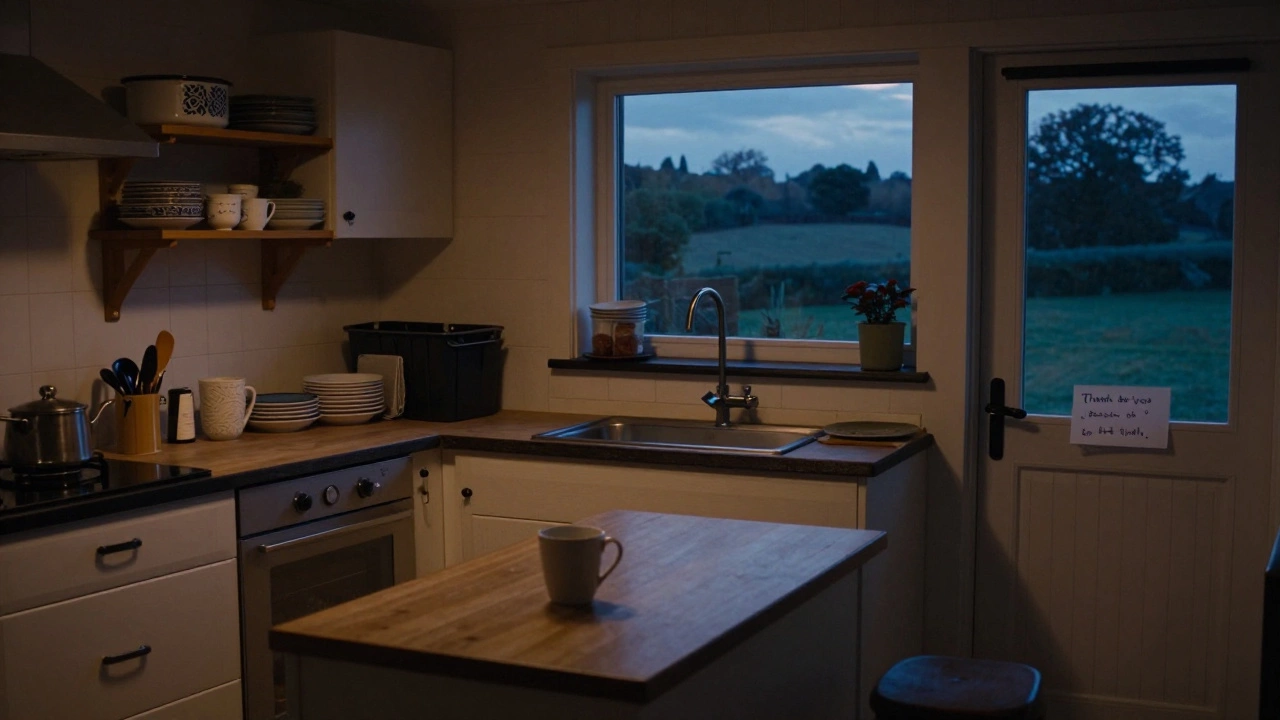
Last summer, a friend rented a small stone cottage in the Adelaide Hills for seven nights. Here’s what her week looked like:
- Day 1: Arrived at 4 p.m. Made pasta with local tomatoes and basil from the garden. Ate on the porch with wine.
- Day 2: Bought bread, cheese, and fruit at the local farmers’ market. Packed a picnic for the winery.
- Day 3: Kids helped make pancakes for breakfast. Used the washing machine to clean swimwear.
- Day 4: Cooked a roast chicken with potatoes from the veggie patch. Watched the sunset.
- Day 5: Baked cookies using the owner’s recipe card left on the counter.
- Day 6: Took a long walk, came back, boiled eggs and ate them with toast.
- Day 7: Cleaned up, left the kitchen spotless, and got their $300 deposit back.
She spent under $400 on groceries. She saved over $1,200 compared to eating out. And she said it was the most relaxing trip she’d had in years.
How to Pick the Right Self-Catered Place
Here’s what to look for before you click “book”:
- Check the kitchen photos. Is the stove real? Is the fridge full-size? Or is it just a mini-fridge and a hot plate?
- Read recent reviews. Look for comments like “kitchen was missing a whisk” or “no oven mitts-had to use a towel.”
- Message the host. Ask: “Is there a full-size oven? Do you provide dish soap and trash bags?”
- Look at the location. Is there a supermarket nearby? A bakery? Or will you need to drive 20 minutes for milk?
- Check the cancellation policy. Some self-catered rentals are strict. If your plans change, you could lose money.
Don’t just go for the cheapest. Go for the one that gives you what you actually need.
Final Thought: It’s Not Just a Rental. It’s a Way to Travel.
Self-catered residences aren’t about saving money alone. They’re about reclaiming control over your travel experience. You’re not a guest. You’re a temporary resident. You decide when to wake up, what to eat, and how to spend your evenings.
It’s slower. It’s simpler. It’s more real. And after a while, you start to miss it-even when you’re back home.
Are self-catered residences the same as vacation rentals?
Most self-catered residences are vacation rentals, but not all vacation rentals are self-catered. Some vacation rentals are hotels in disguise-they offer breakfast, housekeeping, or no kitchen at all. Always check if the listing includes a full kitchen and no meals. If it says "fully equipped kitchen," it’s self-catered.
Do self-catered places have Wi-Fi and heating?
Almost all modern self-catered rentals include Wi-Fi and heating or air conditioning. But older cottages, especially in rural areas, might only have a wood stove or portable heater. Always check the listing details. If you’re traveling in winter, ask if the heating works reliably.
Can I bring my pet to a self-catered cottage?
Many do, but not all. Some owners allow pets with a small fee. Others ban them entirely. Always check the pet policy before booking-even if the listing says "pet-friendly," confirm with the host. Some places only allow small dogs, or require you to keep pets off the furniture.
Is self-catering better for families?
Yes, especially for families with young kids or picky eaters. You can make meals that suit everyone’s tastes, at any time. No more waiting for a restaurant to open or paying $15 for a kid’s meal that’s just chicken nuggets. You can also store snacks, milk, and baby food in your own fridge. It’s less stressful and more cost-effective.
Do I need to clean before I leave?
Yes, you’re usually expected to do a basic clean: wash dishes, take out the trash, wipe counters, and leave the place tidy. You don’t need to deep clean, but if you leave grease on the stove or dirty dishes in the sink, you’ll likely lose part of your deposit. Most hosts leave a checklist-follow it.