Corporate Hotel Feature Checker
Check if your hotel meets essential corporate travel requirements with this quick feature assessment tool.
Check Your Hotel Features
Select which features your hotel offers for business travel.
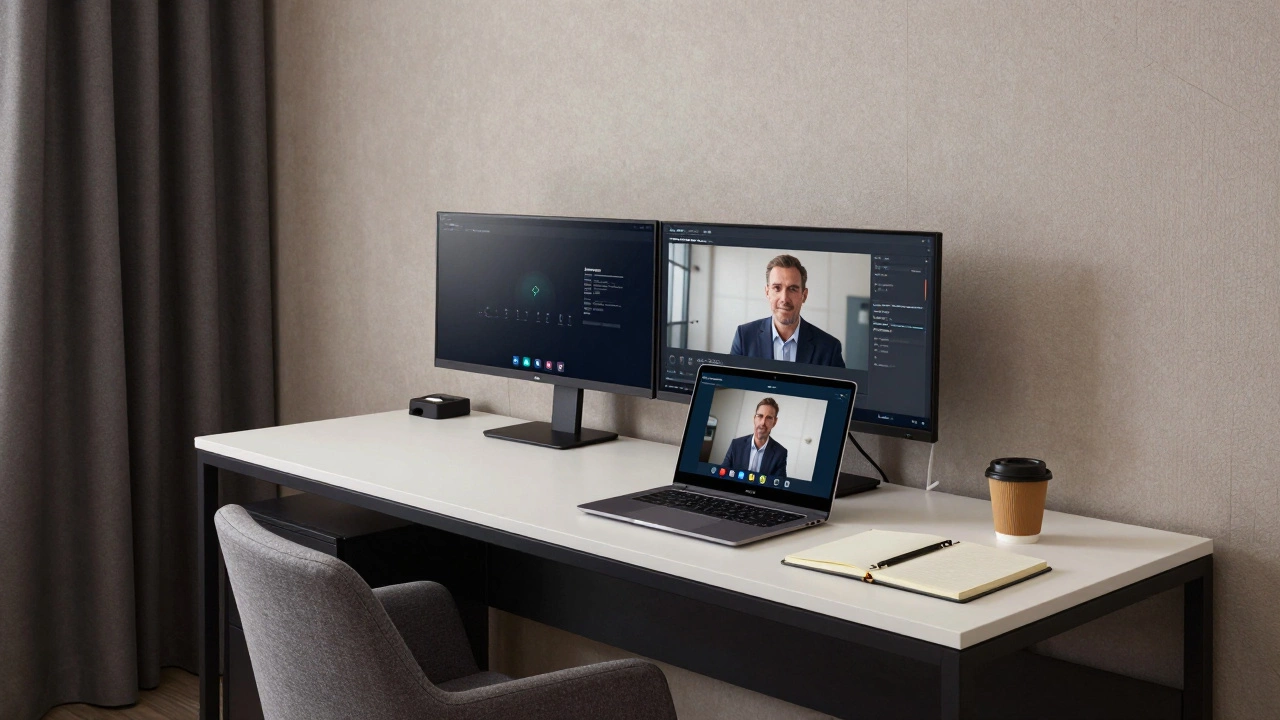
A corporate hotel isn’t just a place to sleep when you’re on a business trip. It’s a carefully designed environment built around the needs of professionals who travel for work. Think of it as a hybrid between a hotel and an office extension-where your bed, Wi-Fi, meeting room, and breakfast all work together to keep you productive, comfortable, and on schedule.
What Makes a Hotel "Corporate"?
The term "corporate hotel" doesn’t mean it’s owned by a corporation. It means it’s built and operated with business travelers in mind. These hotels prioritize functionality over flash. You won’t always find a rooftop pool or a champagne bar, but you’ll find things that actually matter when you’re juggling calls, deadlines, and flights.
Corporate hotels typically offer:
- High-speed, reliable Wi-Fi with no login walls or time limits
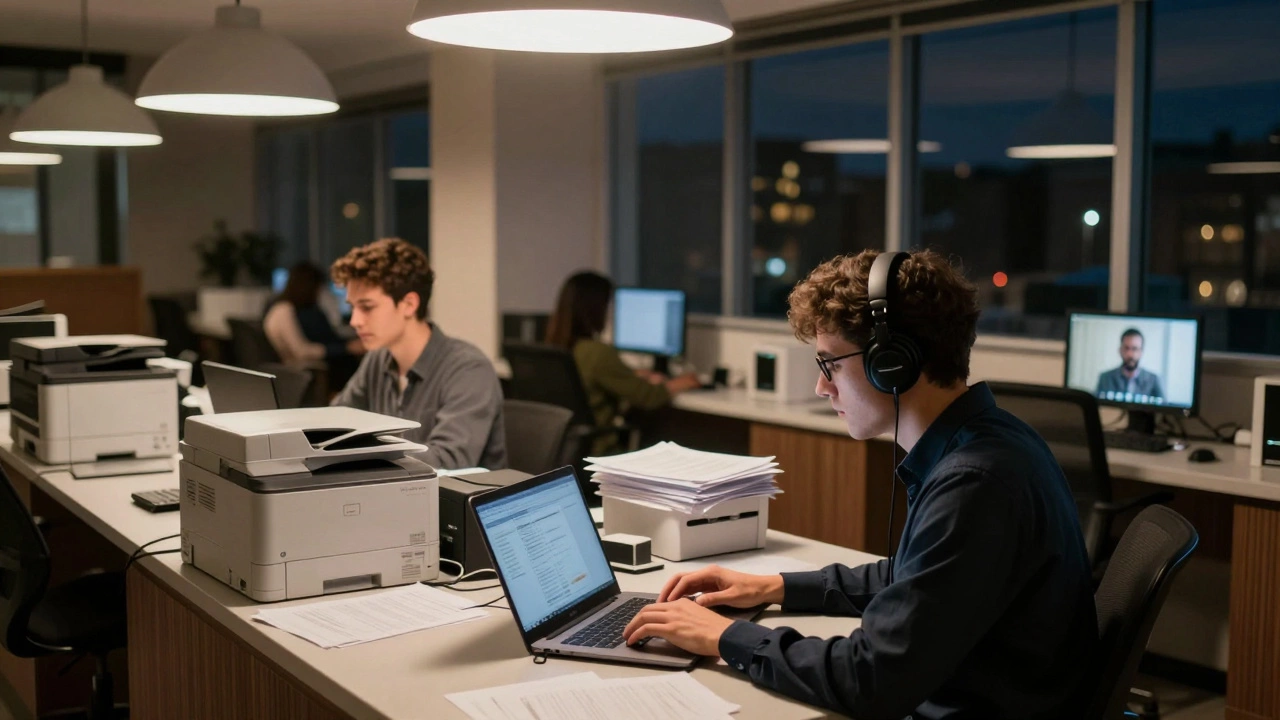
- 24/7 business centers with printers, scanners, and private workstations
- Meeting rooms you can book by the hour, often with AV equipment already set up
- Early check-in and late check-out options for tight flight schedules
- Quiet rooms with soundproofing and blackout curtains
- On-site dining that serves breakfast early and dinner late
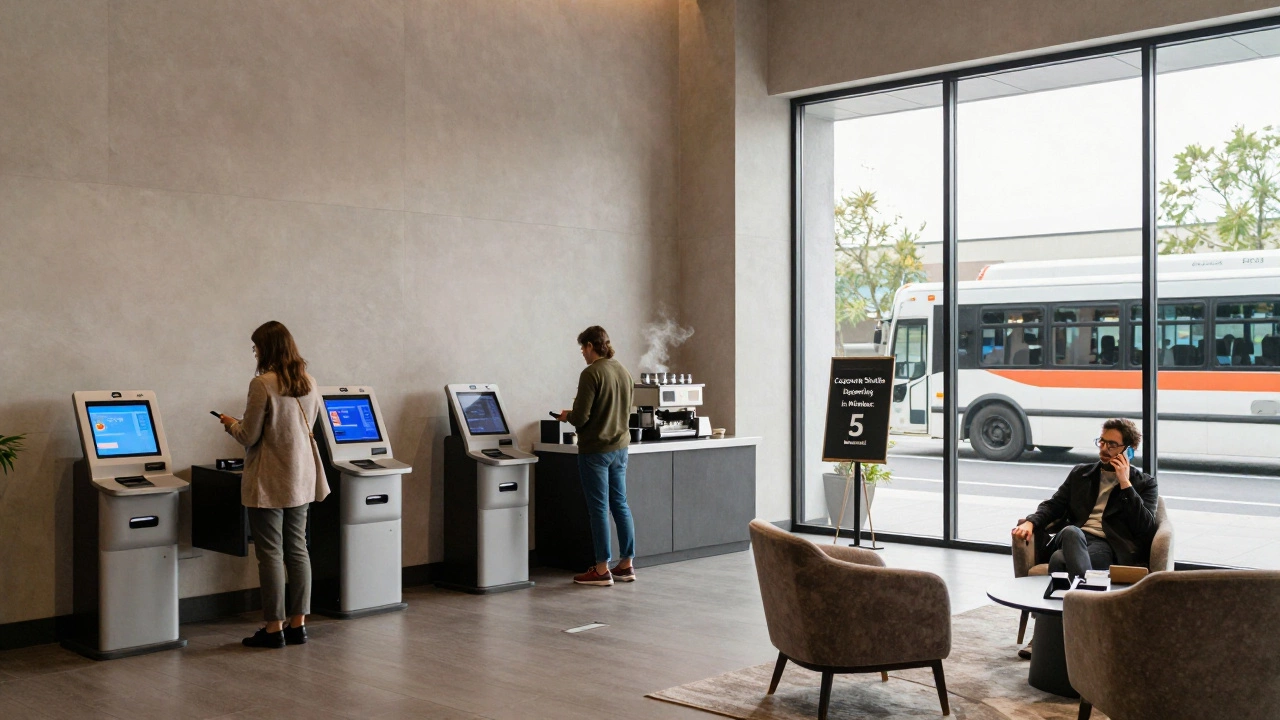
- Complimentary shuttle service to nearby offices, transit hubs, or convention centers
Brands like Marriott Bonvoy a global hotel loyalty program that includes many corporate-focused brands like Marriott Executive Apartments and Courtyard by Marriott, Hilton Honors a loyalty program with properties like Hampton Inn and Hilton Garden Inn designed for business travelers, and Hyatt Place a mid-tier hotel chain offering workspaces, free breakfast, and flexible check-in times dominate this space. They don’t just call themselves "business-friendly"-they’ve built their entire operating model around it.
Corporate Hotels vs. Regular Hotels
Not all hotels are created equal when it comes to business travel. A regular hotel might have a nice lobby and a decent breakfast buffet, but it won’t necessarily have the infrastructure to support your workday.
| Feature | Corporate Hotel | Standard Hotel |
|---|---|---|
| Wi-Fi Quality | Enterprise-grade, no login, multiple devices supported | Basic, may require email sign-up or time limits |
| Business Center | 24/7, fully equipped with printers and video conferencing | Often closed after 6 PM or nonexistent |
| Meeting Rooms | Bookable by the hour, AV included, no minimum spend | Only available for large groups, often require booking days ahead |
| Check-in/Check-out Flexibility | Early check-in (7 AM) and late check-out (1 PM+) common | Strict 3 PM check-out, early check-in costs extra |
| Room Design | Desk with power outlets, ergonomic chair, noise reduction | Small desk, one outlet, thin walls |
| Transport Links | Shuttle to business districts or transit hubs | May be far from public transport or offices |
If you’ve ever sat in a hotel room trying to join a Zoom call, only to have your connection drop because the Wi-Fi couldn’t handle three devices, you know why corporate hotels matter. They’re not about luxury-they’re about reliability.
Who Uses Corporate Hotels?
Corporate hotels aren’t just for CEOs flying in for board meetings. They’re used by:
- Project managers running site visits across multiple cities
- Sales reps traveling weekly to meet clients
- IT consultants setting up systems at client offices
- Trainers delivering workshops in different locations
- Remote workers who need a quiet place to work for a few days
Many companies have preferred corporate hotel partnerships. These are negotiated deals where the company gets discounted rates, streamlined billing (often direct billing to the company account), and guaranteed room availability. Employees don’t have to pay out of pocket or wait for reimbursement-they just check in using their corporate ID.
For example, a software engineer flying from Sydney to Melbourne for a two-day client integration might stay at a Hilton Garden Inn a mid-tier hotel chain with consistent business amenities across locations because their employer has a contract with Hilton. The company pays directly. The engineer gets a room with a desk that has two USB ports and a stable connection. No hassle.
Corporate Hotels and Travel Policies
Most companies have strict travel policies. These aren’t just about saving money-they’re about minimizing risk and maximizing efficiency.
A typical corporate travel policy might require:
- Booking only through approved hotel partners
- Staying within a set nightly rate (e.g., $180 AUD max)
- Choosing hotels with on-site parking or shuttle access
- Avoiding hotels without 24/7 front desk service
Corporate hotels fit these rules perfectly. They’re predictable. They’re safe. They’re consistent. You know what you’re getting, whether you’re in Adelaide, Toronto, or Tokyo.
Some companies even use software like Concur a corporate travel and expense management platform used by thousands of businesses to track bookings and spending or SAP Concur a cloud-based system for managing travel bookings, expenses, and corporate policy compliance to auto-approve stays at corporate-approved properties. If you pick a hotel outside the list, your expense report gets flagged-and you’ll have to justify why you didn’t pick the corporate option.
Why Corporate Hotels Are Growing
Hybrid work hasn’t killed business travel-it’s changed it. More people are traveling for shorter, more focused trips. A two-day trip to meet a client isn’t a vacation. It’s a work block. And that changes what people need from a hotel.
Post-pandemic, business travelers care more about:
- Health and safety: Air filtration, contactless check-in, clean linens
- Quiet zones: No loud lobbies or parties next door
- Work-friendly spaces: Dedicated areas to take calls without disturbing others
- Flexibility: Ability to extend your stay last-minute without penalty
Corporate hotels have adapted. Many now offer:
- Self-check-in kiosks
- Room service with contactless delivery
- Quiet floors with no elevators or hallways on certain levels
- Complimentary coffee and snacks in the lobby all day
Even smaller chains are catching on. In Adelaide, places like Ibis Styles Adelaide a mid-range hotel brand offering consistent business amenities with local design touches or Best Western Plus Adelaide a hotel chain known for reliable service, extended stay options, and business-friendly rooms have upgraded their offerings to compete with global brands.
What to Look for When Booking a Corporate Hotel
If you’re booking for yourself or managing travel for your team, here’s what actually matters:
- Check the Wi-Fi details-not just "free Wi-Fi," but whether it supports multiple devices and has a business-tier speed
- Look for a 24-hour business center or at least a dedicated workspace in the lobby
- Confirm check-in/out times. Can you get in at 6 AM if your flight lands early?
- See if meeting rooms are available for hourly booking without a minimum spend
- Read recent reviews for mentions of noise, cleanliness, and reliability
- Verify if the hotel is on your company’s approved list
Don’t assume a hotel is corporate-friendly just because it’s near an office park. Some are just cheaper options with no real business infrastructure. Always check the amenities list.
Corporate Hotels and Sustainability
More companies are tying hotel choices to sustainability goals. Corporate hotels are responding by:
- Reducing single-use plastics in rooms
- Offering linen reuse programs
- Installing energy-efficient lighting and HVAC systems
- Partnering with local suppliers for food and toiletries
Brands like IHG Green Engage an environmental sustainability program used by InterContinental Hotels Group to track and reduce environmental impact across properties let companies see the carbon footprint of their stays. That’s becoming a key factor in choosing where to book.
Final Thoughts
A corporate hotel is the silent backbone of modern business travel. It’s not glamorous, but it’s essential. When you’re trying to close a deal, fix a system, or train a team, you don’t need a spa-you need a room that works. A bed that lets you sleep. A desk that lets you work. A connection that doesn’t drop.
Whether you’re booking for yourself or managing travel for a team, knowing what makes a corporate hotel different helps you avoid the frustration of bad Wi-Fi, closed business centers, or early check-outs. It’s not about luxury. It’s about getting the job done.
Is a corporate hotel the same as a business hotel?
Yes, the terms are used interchangeably. "Corporate hotel" and "business hotel" both refer to properties designed for travelers on work trips. The focus is on amenities like reliable Wi-Fi, business centers, meeting rooms, and flexible check-in/out times-not luxury features.
Can I stay at a corporate hotel for leisure travel?
Absolutely. Corporate hotels welcome leisure guests too. But don’t expect resort-style amenities like pools, spas, or nightly entertainment. You’ll get a clean, quiet room, good Wi-Fi, and a reliable breakfast-perfect if you want to rest without distractions.
Are corporate hotels more expensive?
They’re usually priced similarly to mid-range hotels. Sometimes they’re cheaper than luxury properties. The key difference is value: you’re paying for reliability, not extras. Corporate rates negotiated through company contracts are often significantly lower than walk-in prices.
Do corporate hotels offer free breakfast?
Most do. A hot breakfast buffet or continental spread is standard. Some even offer grab-and-go options for early departures. It’s one of the most consistent perks across brands like Marriott, Hilton, and Hyatt.
How do I know if a hotel is corporate-approved?
Check your company’s travel policy or portal. Most organizations have a list of preferred hotel partners. If you’re booking through a travel management system like Concur or SAP, only approved hotels will appear as options. If you’re unsure, ask your travel coordinator.