Country House Validator
Is This a True Country House?
Check which criteria match your potential stay according to the article's definition.
Check criteria to see your result
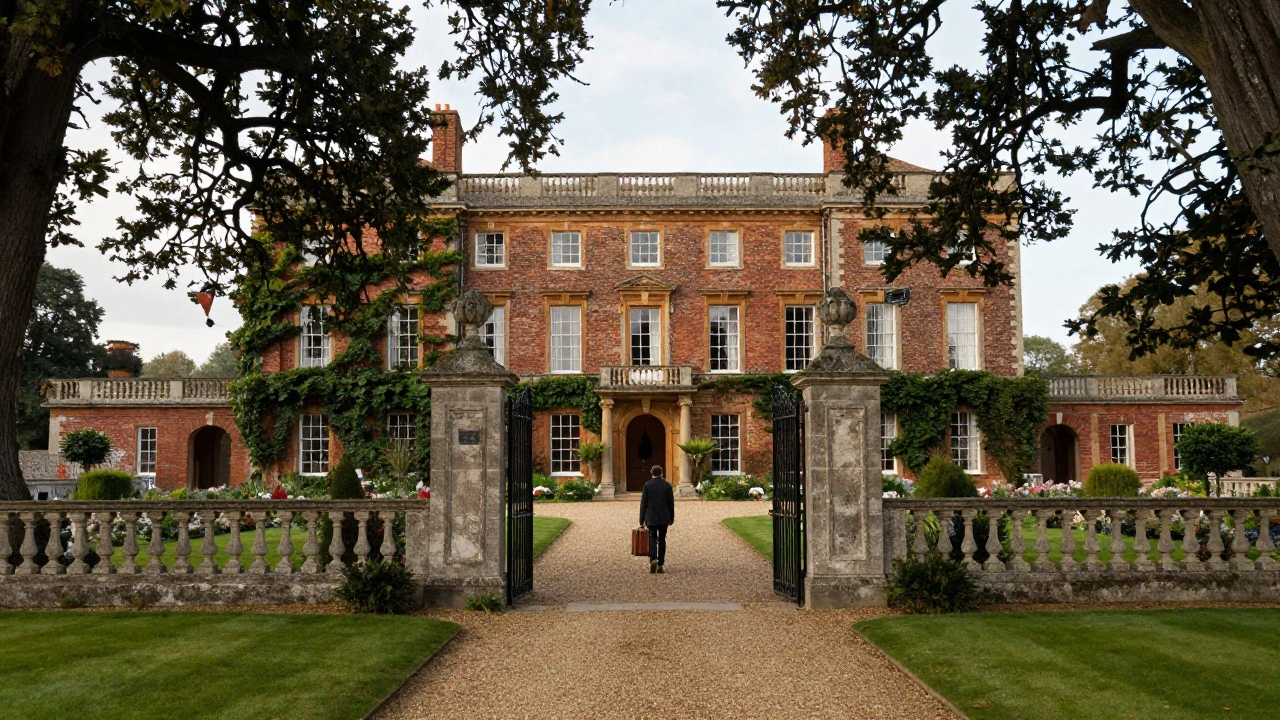
When someone says "country house," what do you picture? Maybe a stone-built manor with ivy creeping up the walls, a wide porch, and a gravel driveway leading to a quiet forest. Or perhaps a cozy cottage tucked behind rolling hills, where the only sounds are birdsong and wind through the trees. But here’s the truth: not every rural home is a country house. And not every country house is a hotel. The line between a historic estate, a working farmstead, and a luxury retreat can be blurry - especially when you’re planning a getaway.
It’s Not Just About Location
A country house isn’t simply a house in the countryside. You can live on a farm in the middle of nowhere and still not have a country house. The term carries history, architecture, and social meaning. Traditionally, a country house was the home of a wealthy family - often landowners, aristocrats, or industrialists - who used it as a seasonal retreat from city life. These weren’t just homes; they were symbols of status. Think of places like Blenheim Palace in England or Château de Chambord in France. They had dozens of rooms, formal gardens, stables, and sometimes even their own chapels.
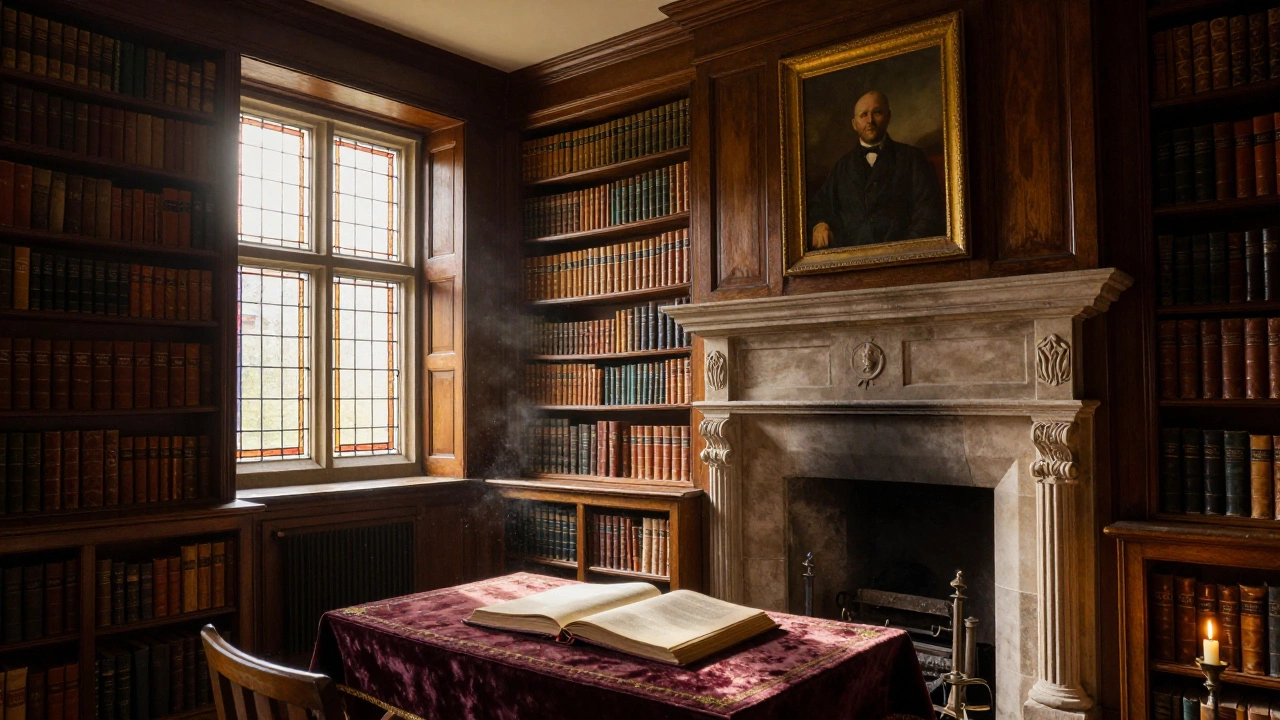
Today, many of these grand estates have been converted into hotels. But if you’re looking for a true country house experience, you need more than a pretty view. You need the soul of the place. That means original features: fireplaces with carved mantels, wide-plank oak floors, high ceilings with crown molding, and windows that frame the landscape like paintings. A modern cabin with a hot tub and Wi-Fi doesn’t qualify - no matter how remote it is.
Architecture Tells the Story
The architecture of a country house follows clear patterns, shaped by time and region. In England, you’ll find Georgian symmetry, with sash windows and brick facades. In France, it’s often limestone with slate roofs and wrought-iron balconies. In Germany, timber-framed houses with steep gables dominate. These aren’t random styles - they reflect the materials available and the social norms of their era.
A real country house hotel will preserve these details. You won’t find drywall or vinyl windows. Instead, you’ll see original plasterwork, hand-forged ironwork, and doors that still creak the way they did 150 years ago. The layout matters too. Country houses were built for entertaining. There’s usually a grand hall, a library, a drawing room, and a dining room large enough for a dinner party of twenty. Even if it’s now a hotel, those rooms are still used as they were - not chopped into tiny standard hotel rooms.
Land and Setting Matter
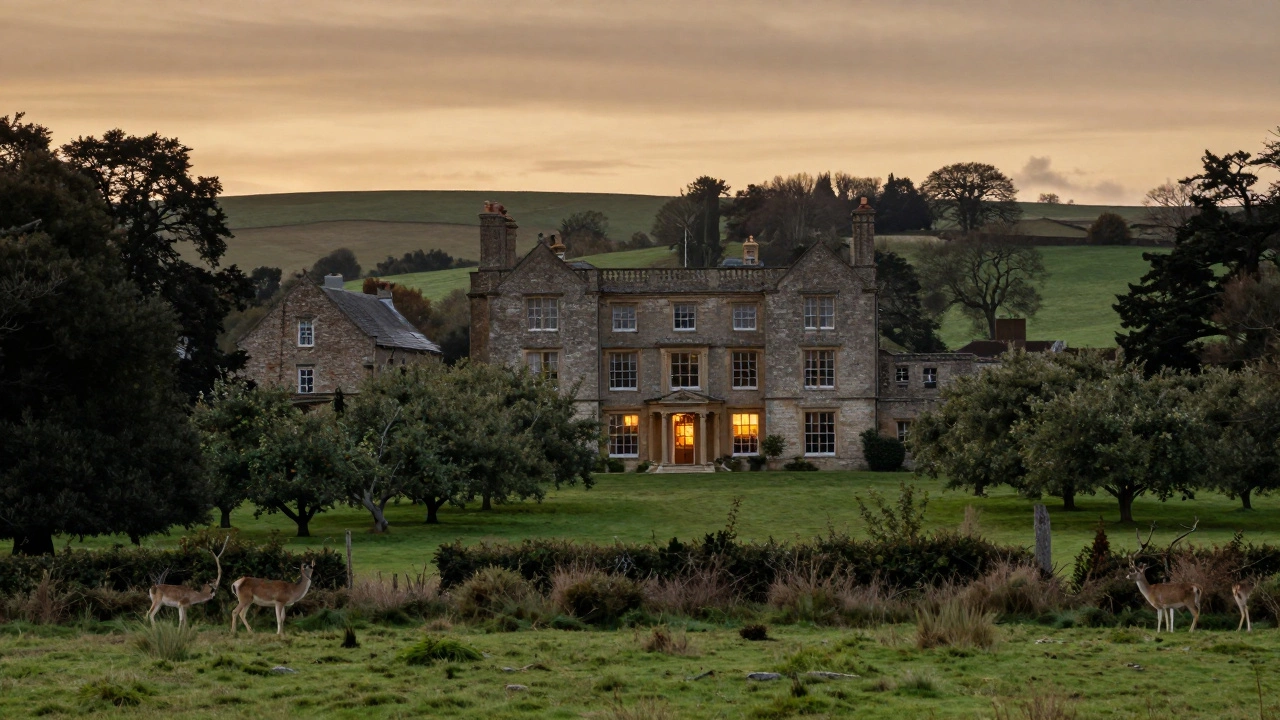
Location alone doesn’t make a country house. But land does. A true country house sits on at least five acres, often much more. It’s surrounded by its own grounds - not just a lawn, but woodlands, orchards, meadows, or even a small lake. The land was historically managed for agriculture, hunting, or recreation. Today, that means guests might walk through ancient hedgerows, spot deer at dawn, or pick apples from trees planted in the 1800s.
Compare that to a rural B&B on a half-acre plot. It’s charming, sure. But it’s not a country house. The scale of the land is part of the identity. A country house doesn’t just overlook the countryside - it’s woven into it. You don’t just visit; you wander through its history.
History and Ownership
Many country houses were passed down through generations. That lineage matters. A hotel that’s been owned by the same family for over a century carries a different energy than one bought by a corporation and renovated last year. The stories matter: who lived here? What did they do? Did a duke host royalty? Did a poet write here? Was there a secret passage?
Some country house hotels proudly display old photographs, letters, or even original furniture. Others have been stripped of character to make them "modern." The best ones keep the past alive - not as a museum, but as a living space. You’ll find heirloom quilts on the beds, books from the original library, and service staff who know the history because their grandparents worked here too.
Not All Country Houses Are Hotels
It’s easy to assume that if it’s a country house, it must be open to guests. But that’s not true. Many are still private homes, used only by families or rented out for weddings and events. Others have been turned into schools, museums, or even offices. The key is whether the building retains its original form and purpose - even if it’s no longer a residence.
When you’re choosing a stay, ask: Is this a country house that became a hotel? Or is it a hotel that tried to look like one? The difference shows in the details. A true country house hotel doesn’t try to be anything else. It doesn’t need to. Its history is enough.
What to Look for When Booking
If you want to experience a real country house, here’s what to check before booking:
- Age: The building should be at least 100 years old - ideally older.
- Original features: Look for mentions of period details: fireplaces, stained glass, paneling, staircases, or doorknobs.
- Land size: The property should be on five or more acres, with natural surroundings.
- Ownership history: Does the hotel mention a family name or long-term stewardship?
- Room layout: Rooms should vary in size and shape. No two should look identical.
Avoid places that advertise "rustic charm" with prefab furniture, fake beams, or "country-style" decor. Those are theme park versions. Real country houses don’t need to be styled - they already are.
Why It Matters
Choosing a country house hotel isn’t just about comfort. It’s about connection. You’re not staying in a room - you’re stepping into a chapter of history. The walls remember. The floors hold the echoes of footsteps from centuries past. The gardens still bloom the same way they did when the first owner planted them.
In a world of identical hotel chains and algorithm-driven stays, a country house offers something rare: authenticity. It’s not about luxury. It’s about legacy.
Is a country house the same as a manor house?
A country house and a manor house are often used interchangeably, but there’s a subtle difference. A manor house traditionally refers to the residence of a lord or landowner who managed an estate, often with legal authority over the surrounding land. A country house is broader - it includes manor houses, but also large homes built by wealthy merchants or industrialists who didn’t have feudal rights. Both are grand, historic, and set in the countryside, but manor houses have a stronger link to land ownership and governance.
Can a country house be modern?
No - not if you’re talking about the traditional definition. A country house is defined by its historical roots, architecture, and cultural context. A modern home in the countryside, no matter how elegant, doesn’t qualify. That said, some new-build hotels mimic the style of country houses. These are often called "country-style" or "rural-inspired," but they lack the heritage, materials, and craftsmanship of the real thing.
Are country house hotels more expensive?
Not always. Some country house hotels are luxury destinations with high prices, but others - especially smaller, family-run ones - offer surprisingly reasonable rates. What you’re paying for isn’t just a room - it’s access to history, space, and craftsmanship. A £150 night in a 200-year-old stone house with a fireplace and 20 acres of gardens can be more valuable than a £300 night in a generic five-star hotel.
Do country house hotels have modern amenities?
Yes, but they’re hidden. You’ll find Wi-Fi, heating, en-suite bathrooms, and sometimes even spa services - but they’re carefully integrated. No one installs a glass shower in a 17th-century bedroom. Instead, modern comforts are tucked into annexes, converted stables, or discreetly added wings. The goal is to preserve the past while making your stay comfortable.
Can I visit a country house without staying overnight?
Many do offer daytime tours, afternoon tea, or garden access. Some even host concerts, art exhibits, or food festivals. If you’re not planning to stay, check the hotel’s website for public events. Even if it’s not a full hotel, many historic country houses are now run by trusts or foundations that welcome visitors.