A corporate hotel is designed for business travelers with reliable Wi-Fi, 24/7 business centers, meeting rooms, and flexible check-in/out times. It’s not about luxury-it’s about getting work done on the road.
Read more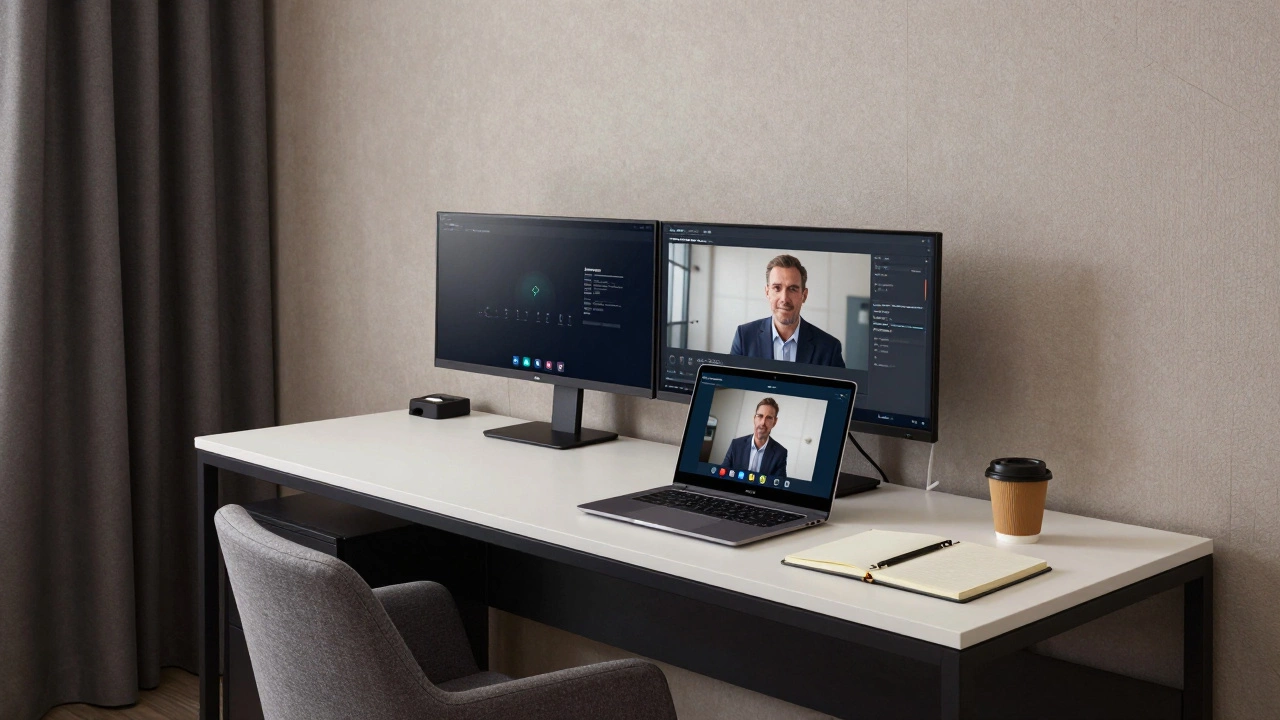
When your job takes you away from home, company lodging, temporary housing arranged by an employer for employees on work travel. Also known as corporate accommodation, it’s not just a hotel room—it’s part of your work setup, often covering meals, transport, and even Wi-Fi so you can stay productive. Whether you’re flying to a client meeting in Manchester or spending a week at a conference in Edinburgh, company lodging makes sure you’re not scrambling for a place to sleep after a long day.
It’s not the same as booking your own hotel. business hotels, properties designed for professionals needing reliable Wi-Fi, quiet rooms, and early check-in. Also known as commercial hotels, they focus on function, not fancy spas or rooftop bars. These are the places where you’ll find work desks, printer access, and breakfast included—no extra charge. Some companies even rent out entire self-catered residences, apartments or cottages with kitchens that let employees cook their own meals during extended stays. That’s a big deal if you’re on a two-week project and want to save money on eating out every night.
Not every company handles lodging the same way. Some give you a flat allowance and let you book whatever you want. Others have preferred partners—like handpicked country house hotels that feel more like a quiet retreat than a corporate box. And yes, some still stick to airport hotels for late arrivals and early departures. The key is knowing what’s covered: is the shuttle included? Are drinks in the minibar on the company tab? Do you get a private bathroom in that glamping cottage, or are you sharing with three other team members?
Company lodging isn’t just about where you sleep—it’s about how well you can work while you’re away. If you’re stuck in a noisy room with no desk, you’re not just uncomfortable—you’re less effective. That’s why smart companies pick places with good lighting, solid internet, and quiet zones. They know a rested, focused employee is worth more than a cheap room.
You’ll find real examples of this in the posts below—from how to spot the difference between a regular hotel and one built for travelers on tight schedules, to whether all-inclusive resorts make sense for business trips (spoiler: usually not). We’ve also got guides on what to pack for a hotel spa after a long day of meetings, how to handle child policies if you’re bringing the family along, and even how some people turn their cottages into income streams by renting them out for corporate stays. This isn’t theory. These are real choices real people make every day.
A corporate hotel is designed for business travelers with reliable Wi-Fi, 24/7 business centers, meeting rooms, and flexible check-in/out times. It’s not about luxury-it’s about getting work done on the road.
Read more