Tiny Living Readiness Score
Before downsizing, test your compatibility with tiny home reality. Answer honestly to avoid future "friction".
Your Score:
0 / 15The dream of downsizing is huge right now. You see Instagram photos of couples in A-frame cabins surrounded by mist and pine trees. They look peaceful. But when you actually step inside, the air feels different. The space is tighter than expected. There is no room for error. Many people ask about the benefits-the lower carbon footprint, the smaller monthly bills-but few talk about the friction.
We need to look past the aesthetic charm. Tiny HouseA small residential dwelling typically built on wheels or a permanent foundation with less than 400 square feet of floor space. These homes prioritize efficiency, yet efficiency comes with trade-offs that aren't always pleasant. If you are thinking about making the switch in 2026, you need to know exactly what happens when the novelty wears off. Here is the raw truth about the limitations and hurdles you face.
Running Out of Space for Daily Life
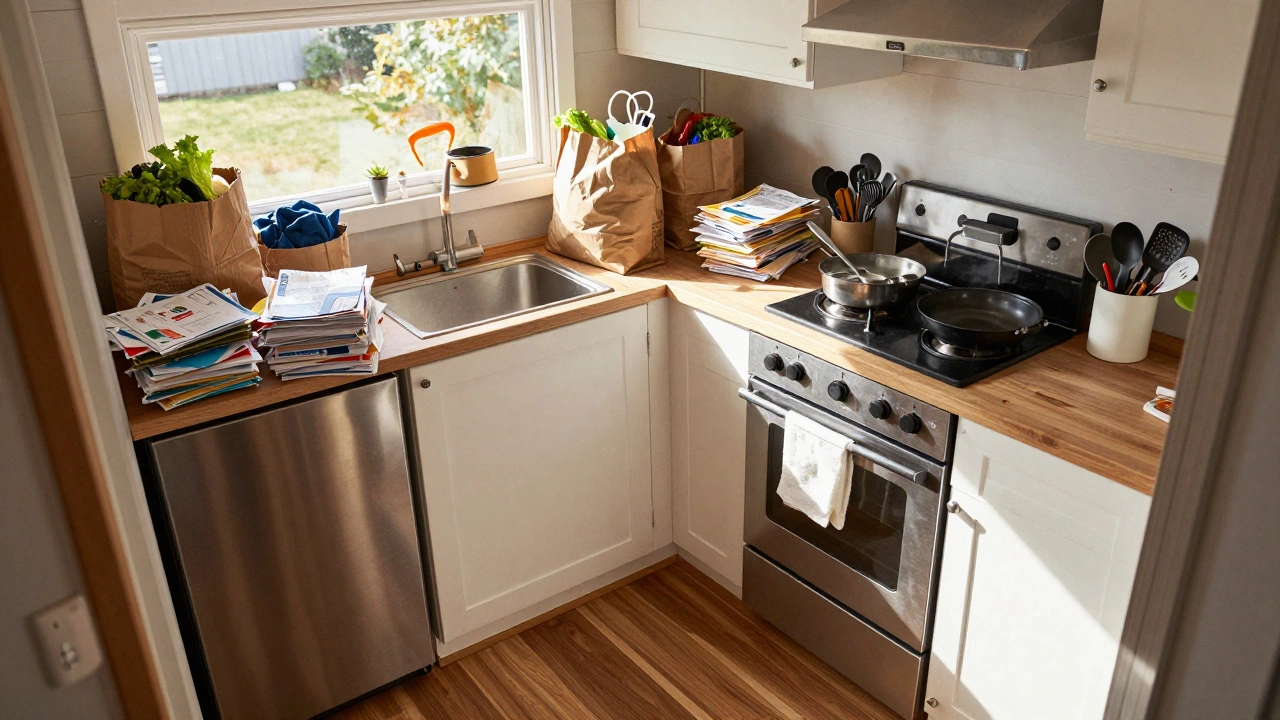
You might think you have organized your clothes and books down to the absolute essentials. That works for a few months. Then reality hits. You buy groceries, bring them in, and suddenly the kitchen counters are buried. In a standard home, you can pile mail on a dining table while waiting for a signature. In a tiny home, every surface counts.
Clutter accumulation becomes visible immediately. There is nowhere to hide things. If you lose track of where you put something, you cannot dig through drawers that lead to other rooms. Everything is in plain sight. For two people sharing a 300-square-foot layout, privacy becomes a luxury rather than a default state. Arguments about misplaced items escalate quickly because there is no physical distance to cool heads. You constantly negotiate space usage, which adds mental fatigue to your day.
Zoning and Legal Complications
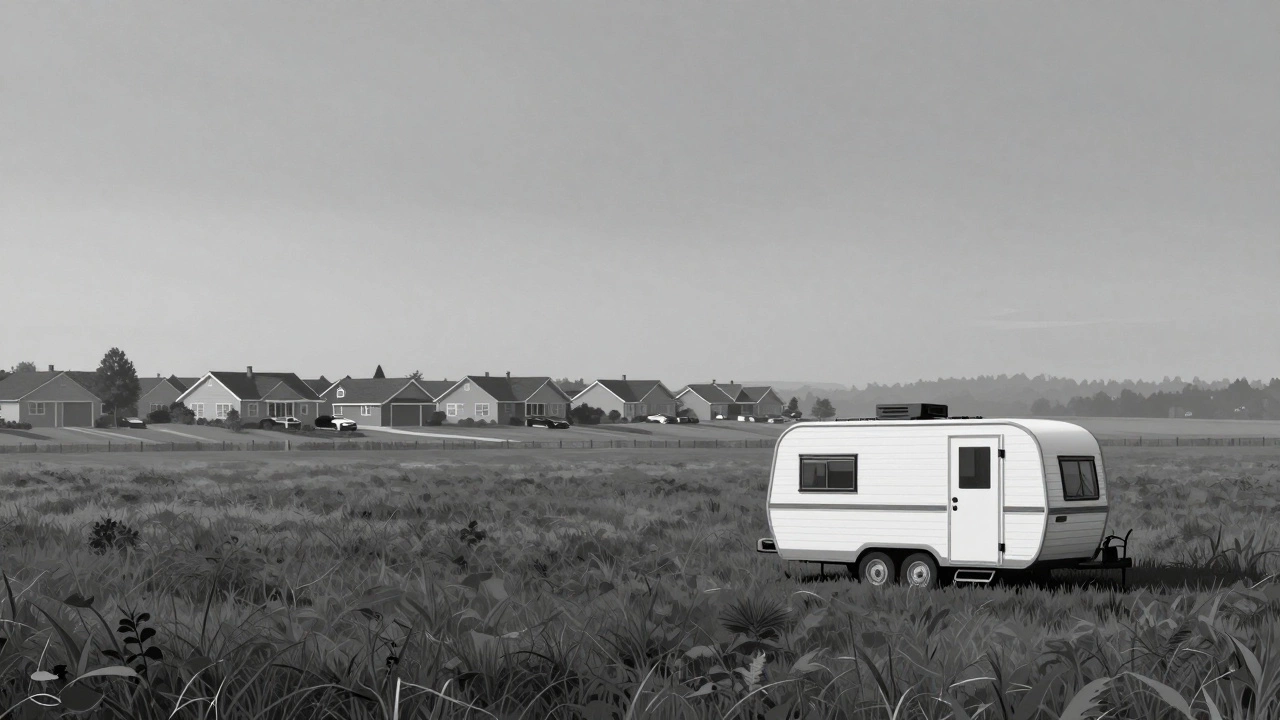
Maybe you found the perfect patch of land. Before you park your trailer, check the local code. Zoning LawsRegulations established by local governments that dictate how land can be used, including minimum square footage requirements for dwellings. Most residential zones were designed decades ago. They mandate minimum dwelling sizes, often around 600 square feet. If your unit is smaller, you technically violate the code unless the jurisdiction specifically allows accessory dwelling units (ADUs) or recreational vehicles.
This creates a cat-and-mouse game. Some owners live in constant fear of being cited. You cannot simply park anywhere. Cities change rules overnight, sometimes retroactively. Even if you own the land, the county might classify your home as a mobile home rather than real property. This distinction prevents you from getting permits for septic connections or electrical hookups. You end up relying on temporary solutions like graywater tanks or portable toilets, which are inconvenient and costly to maintain long-term.
The Hidden Costs of Owning Small
Buying a pre-built unit costs less upfront than a traditional stick-built house. That number is attractive. However, the total cost of ownership often surprises new owners. Mortgage LendingThe process of borrowing funds to purchase property, where lenders evaluate creditworthiness and collateral. Most banks do not view these structures as collateral for traditional loans. Why? Because they depreciate faster than standard real estate. Instead of a fixed-rate mortgage, you are often stuck with personal loans or chattel loans carrying higher interest rates.
Then consider the land. If you don't own dirt, you must rent it. Mobile home parks exist, but finding places willing to host a non-traditional structure is harder. You pay monthly rent plus utility fees. If you go Off-Grid LivingA lifestyle of self-sufficiency involving independent access to basic services like water and power without connecting to public utilities, you are buying high-end solar panels and lithium batteries. These systems require replacements every ten years. Over time, the amortized cost of energy independence rivals a standard city utility bill. Plus, land values fluctuate. Land prices in desirable eco-regions have risen sharply since 2024. Buying a plot near amenities often costs just as much as a lot for a standard suburban home.
Social Isolation and Hosting Guests
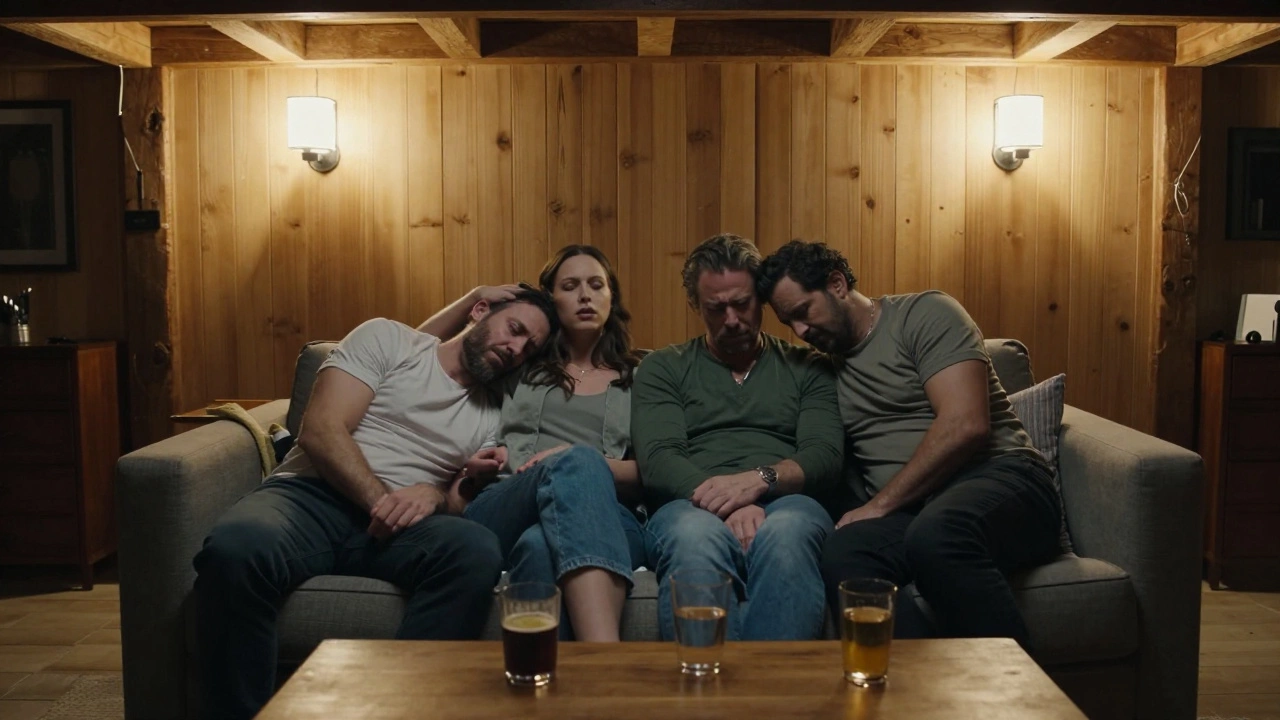
Living alone makes sense. You manage the workflow. Living with a partner or children changes the dynamic entirely. Guests become a logistical problem. When friends visit, you cannot offer them a guest bedroom. They sleep on a sofa fold-out in the same open plan you live in. There is zero privacy during their stay. This limits how often you can host people over.
Children struggle too. Kids need designated play areas. In a compact space, toys take over the living area immediately after school. Parents feel the pressure to clean constantly so the space remains functional. As the kids grow, they crave more room to retreat to. A single bathroom setup in a family home is efficient; in a tiny house with three occupants, queuing up for the shower becomes a morning crisis. These social frictions often lead owners to sell and upszie within five years.
Maintenance and Infrastructure Failures
The mechanical systems are smaller, but they are no less complex. Plumbing leaks are a disaster in a conventional house. In a 320-square-foot box, a pipe burst floods everything in minutes. Water damage spreads fast because insulation layers are thinner to save space. Insulation itself is a challenge. Many walls lack cavity depth for modern thermal standards. In cold climates, keeping a stable temperature requires aggressive heating solutions.
Ventilation is another headache. Composting toilets handle waste without water, but they smell if you do not empty them regularly. Fans are essential to prevent mold growth in a tight envelope where moisture gets trapped against condensation-prone surfaces. Unlike a standard home with crawl spaces or basements for easy repairs, accessing pipes often means dismantling cabinetry or flooring. Simple fixes turn into major projects.
Resale Value and Market Liquidity
When you decide to move, selling a small dwelling is tougher than selling a tract home. The market is niche. You are not competing with standard MLS listings. You are hunting for a specific buyer who wants this lifestyle. This narrows the pool significantly. Appraisals are difficult because comparable sales data is scarce. Banks hesitate to finance the next buyer, further shrinking demand.
If you purchased on wheels, it is treated as a vehicle. Depreciation mirrors that of a truck. Once it sits ten years old, value drops dramatically. If it is on a foundation, it might be considered part of the land sale. Yet, transferring ownership triggers permit reviews again. Buyers back out if they learn about zoning issues. You could be holding onto an asset that doesn't liquidate quickly when you need cash. It is less liquid than stock real estate properties.
| Feature | Tiny House | Standard Home |
|---|---|---|
| Average Purchase Price | $30k - $100k | $300k - $500k+ |
| Square Footage | 150 - 400 sq ft | 1,500 - 2,500 sq ft |
| Mortgage Availability | Limited / Personal Loan | Widely Available |
| Zoning Compliance | Often Difficult | Generally Standard |
| Utility Hookups | Variable / Off-Grid | Standard City Services |
Navigating the Transition
If you still want to proceed, preparation is key. Rent a similar space first. Do not commit to a build until you know your tolerance levels. Look for communities explicitly designed for tiny living. They solve zoning headaches by setting aside land for clusters of residents. Verify insurance coverage too. Standard homeowner policies often exclude structures under a certain threshold. You might need specialized marine insurance if it stays on wheels.
Tiny living forces you to live intentionally. It strips away excess. However, stripping away excess sometimes reveals gaps in comfort you weren't prepared for. Balance your desire for simplicity with the practicalities of daily existence. Knowledge is the best tool you have to avoid regret.
Can I live in a tiny house on rented land?
Yes, but the landlord must allow it. Many private land rentals prohibit structures not approved by the city. Always sign a written lease agreement that explicitly permits parking the unit on-site to avoid eviction later.
Are tiny houses worth it financially?
It depends on your land situation. If you already own land, the upfront cost is low. If you need to buy land and deal with expensive off-grid setups, the savings may vanish over 10 years compared to renting a small apartment.
Do pets fit easily in a tiny home?
Small dogs adapt well. Cats can feel stressed by limited hiding spots. Owners report having to manage pet supplies very carefully as food and waste storage takes up significant cubic volume in limited storage areas.
Is it hard to find a place to put a tiny house?
Yes. Rural counties are generally more lenient. Urban and suburban areas usually enforce strict building codes that ban wheel-based dwellings or require foundations larger than typical tiny home footprints.
Can I rent out my tiny house?
You can, but platforms like Airbnb often flag smaller listings. Income generation potential is lower because nightly rates cap out quickly, limiting the investment return compared to a standard AirBnB property.