Airport Sleep Option Finder
Answer a few questions to find the best resting spot for your layover.
Transit Hotel
Quick Takeaways: Where to Sleep at the Airport
- Transit Hotels: Full-service rooms located inside the secure area (no need to clear customs).
- Sleep Pods: Small, private capsules for short naps or overnight stays.
- Quiet Zones: Free areas with reclining loungers, though they are first-come, first-served.
- Airside Lounges: Paid or membership-based areas that often have better seating.
The Full-Service Transit Hotel
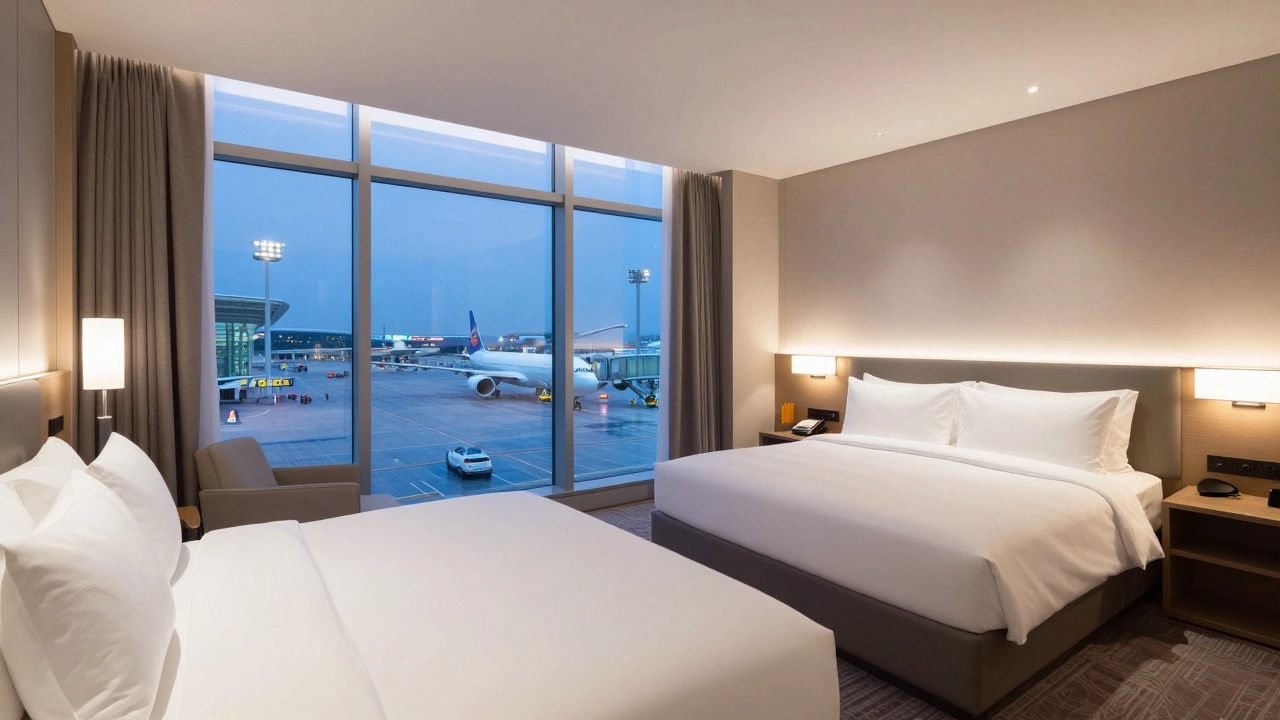
If you have a long layover and a decent budget, a Transit Hotel is your best bet. Unlike a standard hotel, these are accommodation facilities located within the airport's sterile zone, meaning you don't have to pass through immigration or customs to reach your room. This is a huge win if you don't have a transit visa for the country you're visiting.
These hotels usually offer everything from tiny single rooms to full suites. For example, at Singapore Changi Airport, the transit hotels are famous for being efficient and clean. You can book them by the hour (often in 3, 6, or 12-hour blocks) or for a full night. The trade-off? They are significantly more expensive than city hotels because of the convenience factor.
The Rise of Sleep Pods and Capsules
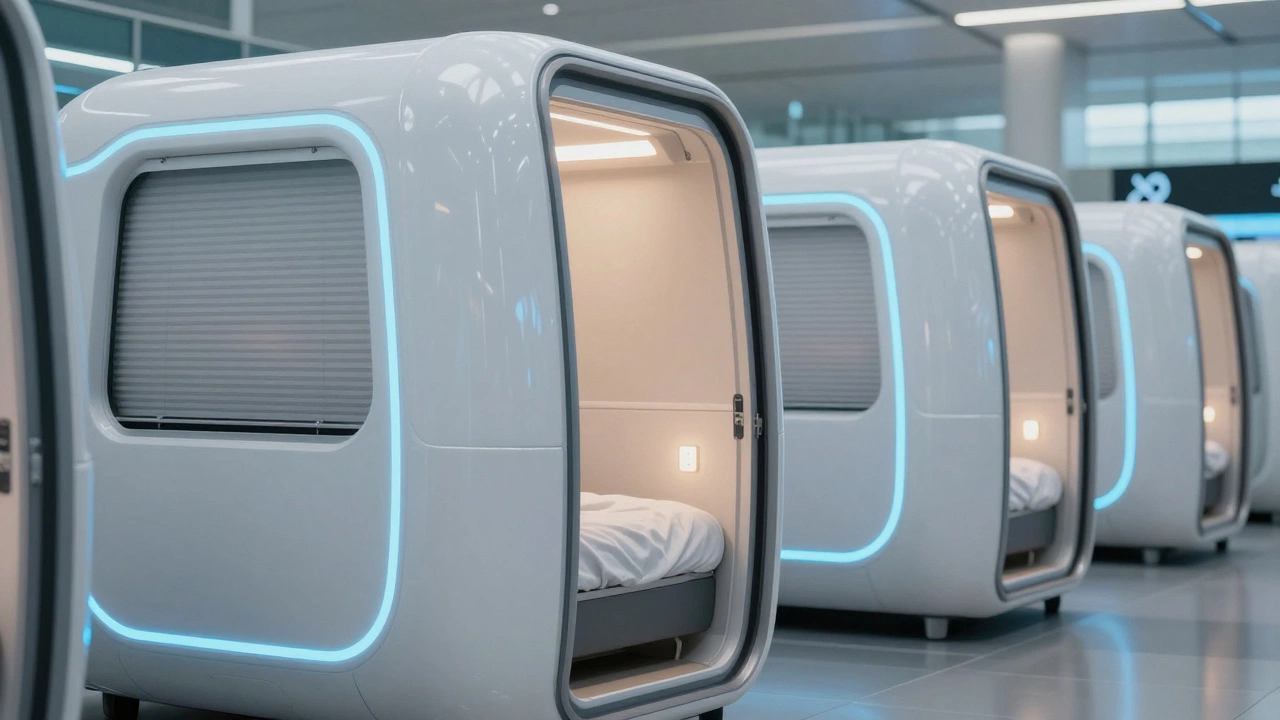
Not everyone needs a full bed and a shower. If you just need to shut out the noise of the terminal for a few hours, Sleep Pods are the modern solution. These are small, enclosed sleeping capsules that provide a bed, a light, and a power outlet. They feel a bit like something out of a sci-fi movie, but they are incredibly practical.
You'll find these frequently in major Asian hubs and increasingly in Europe. They are usually cheaper than a transit hotel and can be booked for short bursts. Some pods even include a small screen or a way to set a wake-up alarm so you don't miss your flight. They provide a level of privacy that you simply cannot get if you're crashing on a gate seat.
| Option | Privacy Level | Cost | Best For... |
|---|---|---|---|
| Transit Hotel | High | High | Overnight stays / Showers |
| Sleep Pod | Medium-High | Moderate | 4-6 hour power naps |
| Airport Lounge | Medium | Varies (Membership) | Comfort and food |
| Public Seating | Low | Free | Tight budgets |
Airport Lounges: The Middle Ground
While not "sleeping rooms" per se, Airport Lounges are a lifesaver. These are areas reserved for first- and business-class passengers, or those with specific credit cards or memberships like Priority Pass. Many lounges have dedicated "quiet zones" with oversized recliners or even small daybeds.
If you don't have a membership, many lounges allow you to pay a walk-in fee. Is it worth paying $50 to $80 for a few hours of peace? If the alternative is sleeping on a carpet in Terminal 3, then absolutely. Plus, you get free food and drinks, which makes the experience much more bearable.
Finding Free Sleeping Spots
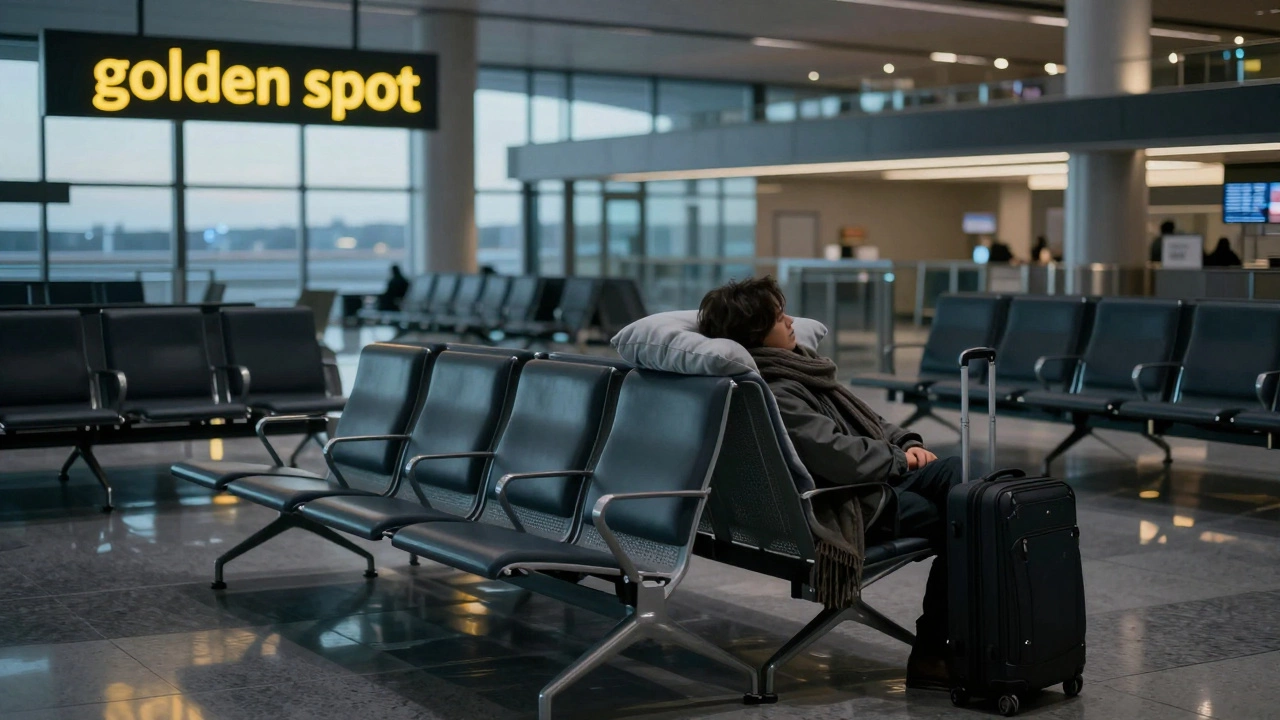
Let's be real: not everyone wants to spend $100 for a six-hour nap. If you're traveling on a budget, you'll need to scout for the "golden spots." Most large airports have designated quiet areas. You're looking for the gates that aren't currently in use-usually those at the very end of a concourse.
Look for those clusters of chairs with the armrests missing. Those are the holy grail for budget travelers. If you're lucky, you might find a "nap zone" with reclining loungers provided by the airport. Just remember that these are high-traffic areas. Even if it's quiet now, a boarding announcement for a flight with 300 people could wake you up in an instant.
Tips for Surviving an Airport Overnight
If you've decided to brave the terminal, a little preparation goes a long way. First, bring a travel pillow and a light blanket or a large scarf. Even in hot climates, airports are notorious for cranking the air conditioning to freezing levels at night.
Security is also a factor. If you're sleeping in a public area, use your luggage as a barrier. Loop your bag strap around your arm or leg so that if someone tries to move your bag, you'll wake up. It's not about being paranoid; it's about peace of mind so you can actually get some REM sleep.
Also, check for shower facilities. Some airports, like Hamad International Airport in Doha, have excellent shower facilities that you can use for a small fee. A hot shower is often more refreshing than three hours of interrupted sleep.
Knowing the Risks of Terminal Sleeping
It's not all smooth sailing. One of the biggest risks is the "wake-up call" from airport staff. Some airports have strict rules about where people can linger. In some cases, security may ask you to move along if you've set up a makeshift camp in the middle of a hallway.
Then there's the noise. Between the constant chime of announcements and the roar of jet engines, your sleep quality will be poor. If you're prone to insomnia, a paid pod or hotel is a genuine investment in your health. Dealing with extreme jet lag while sleep-deprived can make a trip miserable before it even starts.
Do I need a visa to stay in a transit hotel?
Usually, no. Because transit hotels are located "airside" (inside the secure area), you don't have to pass through customs or immigration. This means you can stay in the hotel without needing a visa for that country, provided you don't leave the secure transit zone.
Are sleep pods safe?
Yes, they are generally very safe. Most pods have a locking door or a blind that you can pull shut. Since they are located in monitored airport areas, they are much safer than sleeping in a random corner of the terminal.
How do I find the best free sleeping spots?
Check community-driven sites like SleepingInAirports.net. Travelers post detailed reviews and photos of specific terminals, noting which gates have the most comfortable chairs or the quietest corners.
Can I book a transit hotel for just a few hours?
Yes, most transit hotels offer flexible timing. They typically provide blocks of 3, 6, 12, or 24 hours. This is ideal for those who just need a shower and a quick nap before their next leg.
Is it legal to sleep in an airport?
In most international airports, it's tolerated, especially for passengers with long layovers. However, always keep your boarding pass and ID handy, as security will likely check them if they see you sleeping in a public area.
What to do if you're stuck
If you arrive at your airport and find that all the pods are full and the transit hotel is booked, don't panic. Start by heading to the information desk. Sometimes they know of a quiet lounge or a specific area of the terminal that is currently closed to passengers but can be used for resting.
If you have the budget, check for "landside" hotels. These are the big brands located just outside the terminal. While you'll have to clear customs to get to them, they offer a real bed and a full night's sleep, which is often worth the hassle of the paperwork.